
Passivhaus & Low Energy Residential Design
Building a home that uses very little energy is a smart decision for both long-term running costs and the environment. However, the technical side of low-energy design can be complex. You may be wondering about the difference between Passivhaus standards and other low-energy methods, or how different heating systems like heat pumps perform in practice.
We are here to explain these options clearly. Our role is to guide you through the process, helping you make practical decisions that fit your site, your budget, and your goals for a high-performance home.
There is no single “correct” standard for a low-consumption home in the UK. While Building Regulations set a necessary baseline, our practice looks beyond compliance to create truly exceptional living environments.
The Gold Standard (Passivhaus): This is the industry benchmark for energy efficiency. It demands a rigorous approach to building physics, ensuring a consistent internal environment regardless of the weather outside. Achieving official certification is a rewarding pursuit that guarantees performance.
The Thinking Buildings Approach (Low Energy): For many clients, the answer lies in a bespoke, high-performance solution. By drawing on the most impactful elements of the Passivhaus methodology excellent thermal fabric, rigorous airtightness, and controlled Mechanical Ventilation & Heat Recovery (MVHR) we deliver buildings that perform at the highest level, even when official certification is not the primary project driver.
Guided by our in-house accredited Passivhaus designer, Rachel Aspinall, we ensure your home is designed to be energy-efficient, beautifully detailed, and meticulously constructed.
Designing for energy efficiency offers practical, everyday benefits:
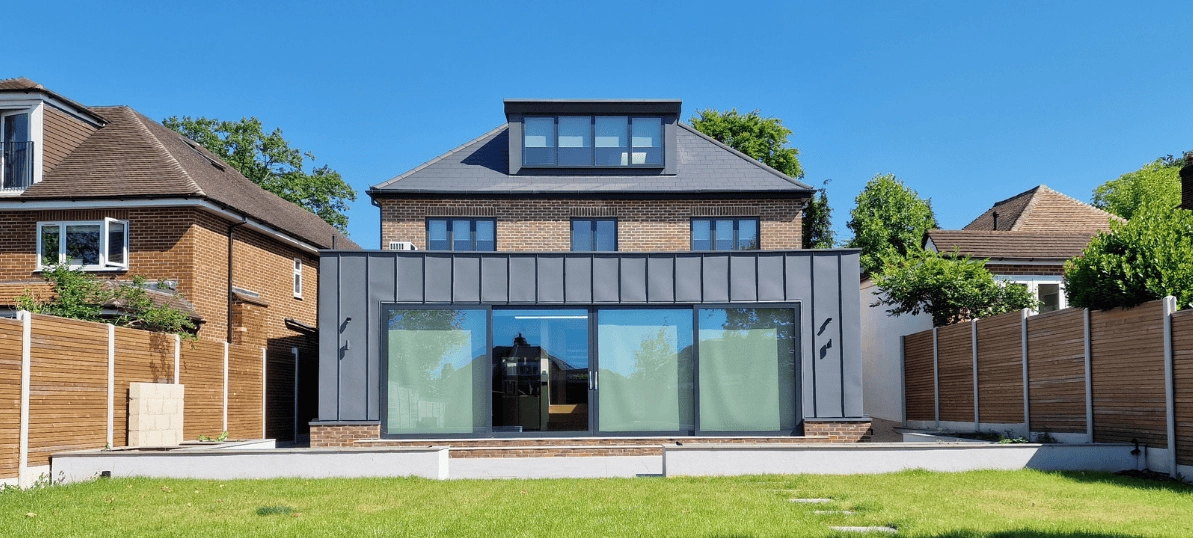
A low-energy home does not have to look a certain way. Energy efficiency is about how the building is put together, not its architectural style.
Whether you prefer a modern design or a traditional form, we focus on the “under the skin” elements: site orientation to make the best use of sunlight, the thickness and type of insulation, and the quality of the window installation.
We can achieve these standards using various construction methods, including timber frames, masonry, or modern methods like SIPS.
We include energy performance in our six-stage process from the start, so it is a core part of your project rather than an afterthought.
1. Briefing & Site Assessment: We look at your site’s orientation and potential early on.
2. Concept Design: We develop a building form that supports energy efficiency.
3. Planning, Design & Submission: We prepare and submit the planning application.
4. Technical Design: We work on the precise details, such as eliminating thermal bridges.
5. Construction Oversight: We monitor the build to ensure the technical specifications are met on-site.
6. Handover: We help you understand how to operate the systems in your new home.
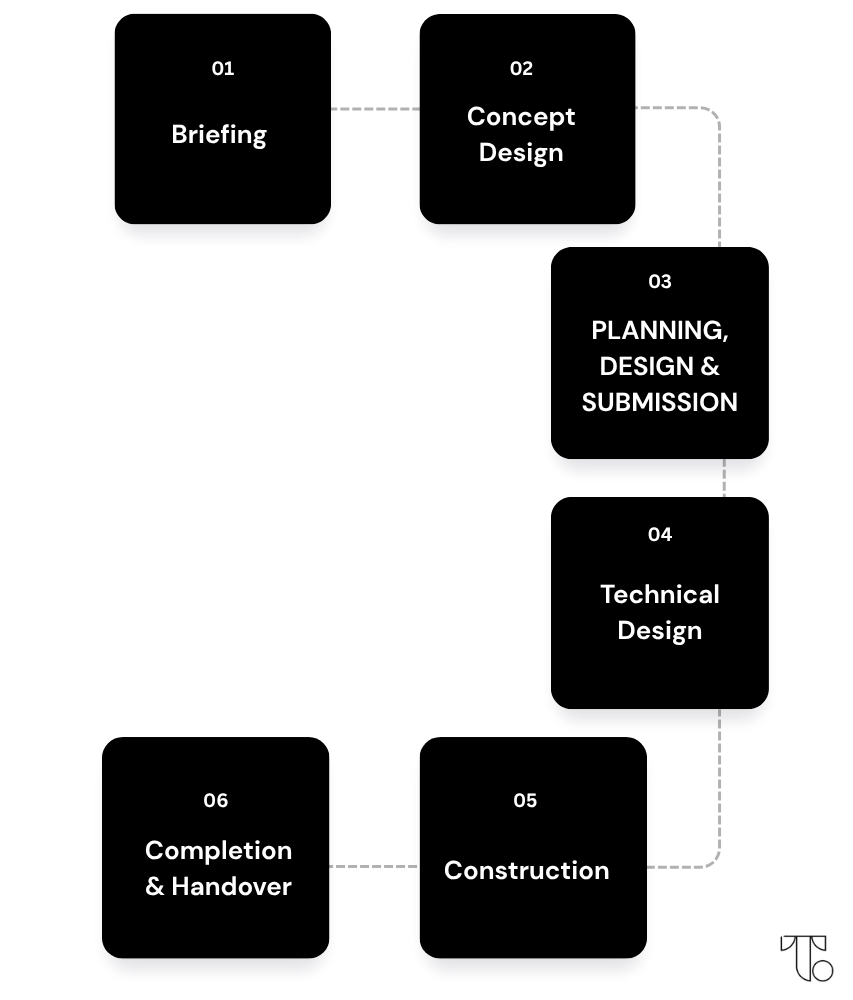
Designing a low-energy home requires technical rigour from the very first sketch. We integrate these principles into our core six-stage process, ensuring that efficiency is not an afterthought, but a foundational element of your project.
Are you ready to create a home that is elegant, enduring, and remarkably efficient? Whether you are aiming for full Passivhaus certification or a high-performance bespoke home, our team provides the expert guidance to turn your ambition into reality.
There is often a higher initial cost for better windows, thicker insulation, and ventilation systems. However, these costs are typically offset over time by lower energy bills and a more durable building.
Yes. We have the in-house expertise to manage the certification process from the initial design through to final testing.
Every site is different. We assess the specific conditions of your plot such as shading from trees or local planning requirements and adapt our designs to ensure they remain efficient while meeting all necessary regulations.

We use cookies to improve your experience on our site. By using our site, you consent to cookies.
Manage your cookie preferences below:
Essential cookies enable basic functions and are necessary for the proper function of the website.
These cookies are used for managing login functionality on this website.
You can find more information in our Cookie Policy.