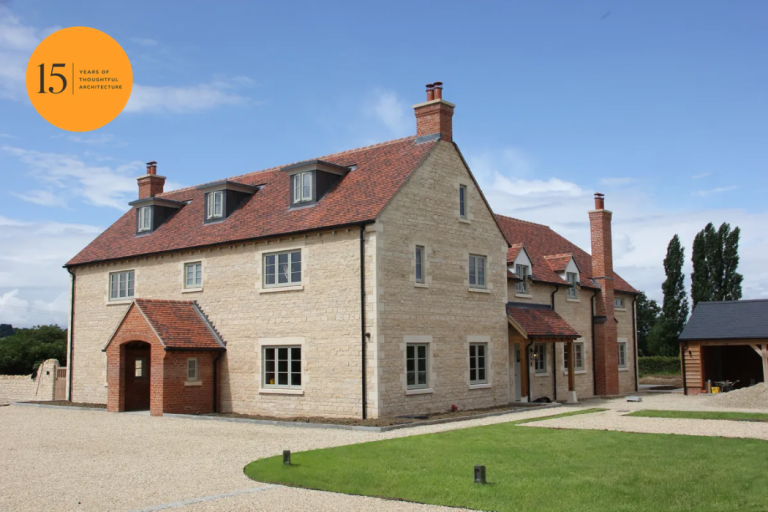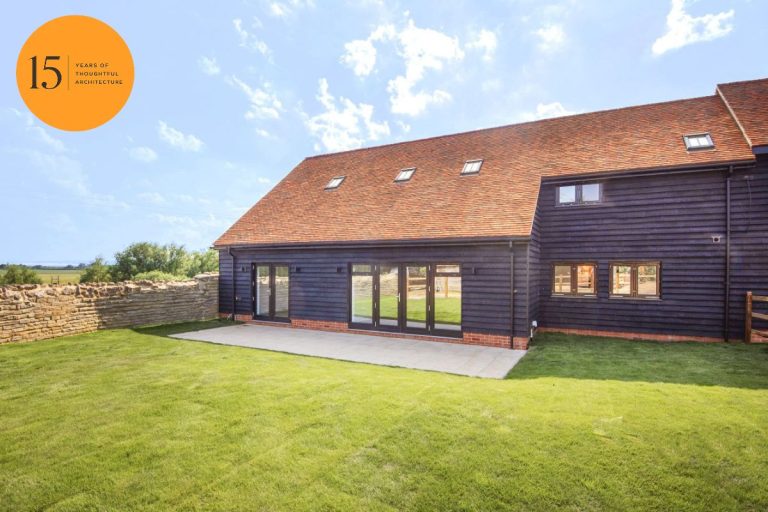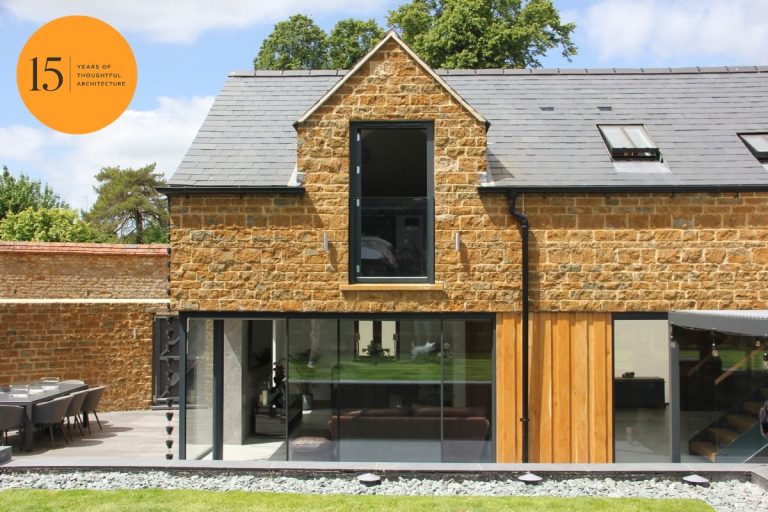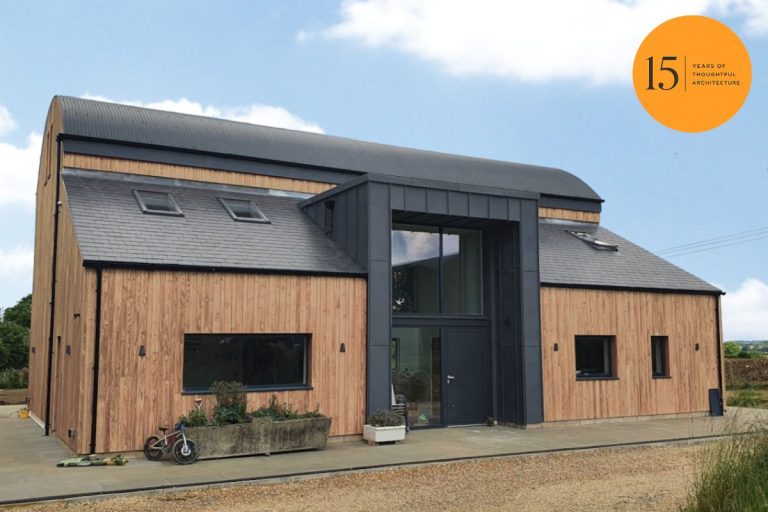
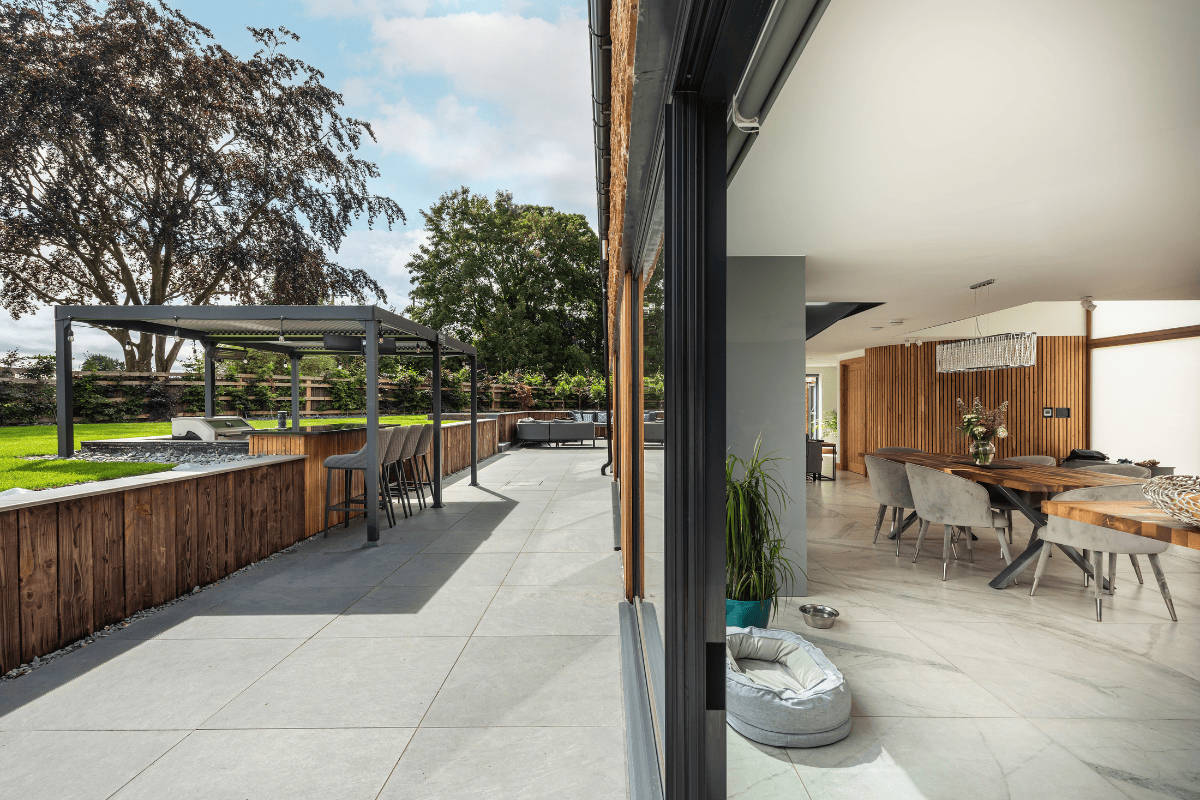
For many aspiring homeowners in the UK, building a home from the ground up is the ultimate dream. Whether it’s a contemporary eco-home in the countryside or a modest family house on the edge of a town, self-building offers a unique opportunity to create a space that reflects your needs, values, and aspirations.
But that dream often comes with a stark financial reality. Managing the budget of a self-build project can be one of the most difficult aspects, and mistakes made early on can have lasting consequences. While the idea of saving money by managing the process yourself may be appealing, the truth is that poor planning, underestimating costs, or overlooking hidden expenses can quickly put your entire project at risk.
So how do you keep your self-build project on budget? What are the common pitfalls, and who can help you navigate the financial complexities? Our quick notes explore the key considerations, challenges, and expert advice that every self-builder should understand before breaking ground.
This is not intended to replace formal paid for advice, but is simply to give you an overview to better inform you when making your first steps towards your bespoke home.
The Appeal and the Challenge
The UK’s self-build market continues to grow, encouraged by planning reforms and greater awareness of custom homebuilding. Shows like Grand Designs have popularised the notion of creating a bespoke dream home, often on a tight budget and against the odds. But behind the TV edits lies a complex reality.
A self-build project requires the homeowner to step into multiple roles: client, project manager, employer, and sometimes even contractor. With those roles come responsibilities, and one of the most important is financial control.
According to the National Custom and Self Build Association (NaCSBA), budget overruns are one of the most common issues reported by self-builders. In some cases, costs exceed initial estimates by 20% or more. This isn’t necessarily because of extravagant spending, but often due to hidden costs, changing circumstances, or simply poor planning.
Setting a Realistic Budget
The first step in managing your budget is knowing how much you can afford to spend – not just on the house itself, but on the entire process. A realistic self-build budget needs to account for far more than bricks and mortar.
Typical Budget Breakdown
Here’s a rough guide to how your overall budget might be divided:
- Land purchase and legal costs: 25–35%
- Construction costs: 40–50%
- Professional fees: 10–15%
- Contingency: 10–15%
- Fittings and finishes: 5–10%
- External works (landscaping, access): 5–10%
A common mistake is to focus solely on the build cost — the cost of constructing the house shell – while forgetting about everything else. That oversight can cause problems later on when funds begin to run low.
The Role of Professional Cost Advice
No matter the size of your self-build project, expert advice is worth its weight in gold – particularly when it comes to cost.
A Quantity Surveyor (QS) provides detailed cost planning and financial control throughout a project. This includes:
- Initial cost planning based on early design ideas
- Benchmarking against similar projects
- Preparing detailed estimates and bills of quantities
- Evaluating tenders and negotiating with contractors
- Monitoring costs during construction
- Valuing interim payments and change orders
For larger or more complex projects, a QS can prevent costly overruns, identify value engineering opportunities, and offer peace of mind. While not every self-builder chooses to use one, doing so can be a wise decision, particularly if you are new to construction.
Your architect can help with some of this, and typically will work with the QS.
The Hidden Costs You May Not See Coming
Many self-builders underestimate the full range of costs involved in creating a home from scratch. Some expenses are obvious – materials, labour, planning – but others are less visible, particularly in the early stages.
1. Site Preparation
Even before foundations are dug, your site may need extensive work:
- Site clearance and vegetation removal
- Demolition of existing structures
- Tree surgery or removal
- Archaeological surveys (a requirement on some sites)
- Ground investigation and soil testing
- Remediation of contamination
- Retaining walls or level changes
These can add significant cost, especially if the site has poor access or lies on sloping ground.
2. Professional and Regulatory Costs
You’ll need a team of professionals beyond your architect or designer:
- Structural engineer
- Planning consultant (for difficult applications)
- Energy consultant (for SAP and EPC ratings)
- Party wall surveyor (if applicable)
- Building regulations inspector (private or local authority)
- Warranty provider (e.g., NHBC, Premier Guarantee) – This may not be needed.
Each comes with fees, often invoiced in stages. Budgeting for all consultant input, not just the design is essential.
3. Utility Connections
Bringing power, water, and sewerage to your new home is rarely straightforward. Depending on site location, you may face:
- New connections and meter installations
- Service trenching
- Installation of a private drainage system (e.g. treatment plant)
- Water pressure upgrades
- Connection charges from utility providers
In remote or rural areas, costs can run into thousands — particularly where infrastructure upgrades are needed.
4. Insurance and Finance
Self-builders typically need specialist insurance to cover:
- Site works and materials
- Public liability
- Employers’ liability (if hiring labour directly)
- Contract works and plant insurance
If you’re financing the project through a self-build mortgage, there may also be arrangement fees, valuation fees, and staged drawdown requirements, all of which need to be factored in.
Why a Contingency Is Essential
Even the best-laid plans can go awry. Weather delays, material shortages, planning revisions, or simply changing your mind mid-build can all add unexpected costs.
That’s why experts recommend including a contingency of 10–15% of your total construction budget. For example, if your build cost is projected at £250,000, you should ideally hold back £25,000–£37,500 as a reserve.
When Might You Need It?
- Unexpected ground conditions (e.g. rock, soft soil, flooding)
- Redesigns following planning feedback
- Discovery of protected species (bats, newts, etc.)
- Supply chain delays or inflation
- Specification changes or quality upgrades
- Mistakes or remedial works
Importantly, your contingency should not be used as a buffer to upgrade your kitchen or add a fancier cladding. Reserve it for true unknowns.
Keeping Costs Under Control During Construction
Once the build begins, the pressure increases — and so does the risk of budget creep. Here are some practical steps to stay in control:
1. Use a Detailed Budget Tracker
Maintain a live spreadsheet or software tracker with separate lines for:
- Site acquisition
- Professional fees
- Construction costs (itemised by trade or stage)
- Fittings and finishes
- External works
- Contingency and variations
- VAT
Regularly update the actual spend versus the planned to spot overruns early.
2. Stick to the Specification
The temptation to upgrade materials or tweak the design mid-build is strong, especially when you’re physically on-site and imagining the finished space. But changes are costly. Even seemingly minor alterations can have cascading effects.
Set a clear specification early and stick to it wherever possible.
3. Choose Fixed-Price Contracts Where Possible
If working with contractors, try to secure fixed-price contracts for defined scopes of work. This gives more cost certainty than day rates or provisional sums.
Be aware, though, that fixed prices rely on fixed designs. Vague drawings or incomplete details leave room for disputes or added costs.
4. Phase Non-Essential Works
If the budget becomes tight, some items, such as landscaping, garage builds, or internal joinery can be postponed. Focus on completing the habitable part of the house to a high standard first.
Planning for VAT
Most new self-build homes are zero-rated for VAT on labour and materials – a substantial saving. However, VAT rules are strict and can be complex. You’ll need to:
- Keep all invoices and evidence
- Submit a reclaim through HMRC after project completion
- Ensure that contractors understand VAT exemptions
Note that professional fees and some services are not VAT-exempt. Always seek specialist advice.
Budgeting with Self-Build Software and Apps
A growing number of tools are available to help self-builders plan and manage their finances, from downloadable spreadsheets to dedicated apps. Many include pre-loaded cost templates, reminders for staged payments, and live tracking of actual spend.
These tools can be particularly useful for those without construction experience, helping you to stay organised and avoid missing key payments or costs.
Final Thoughts: Budgeting is More than Numbers
Managing a self-build budget is as much about mindset as it is mathematics. It requires discipline, transparency, planning, and above all realism.
The key takeaways?
- Don’t underestimate costs – especially non-construction costs
- Seek professional help when needed, especially for cost planning
- Allow for the unexpected with a realistic contingency
- Monitor everything and question every extra
- Prioritise essentials and avoid scope creep during the build
Building your own home can be one of life’s most fulfilling experiences – but only if it’s also financially viable. With thorough preparation and careful management, your self-build journey can remain firmly on budget, and on track.
We’d love to talk to you about your project. Please do contact us and start your journey today.