
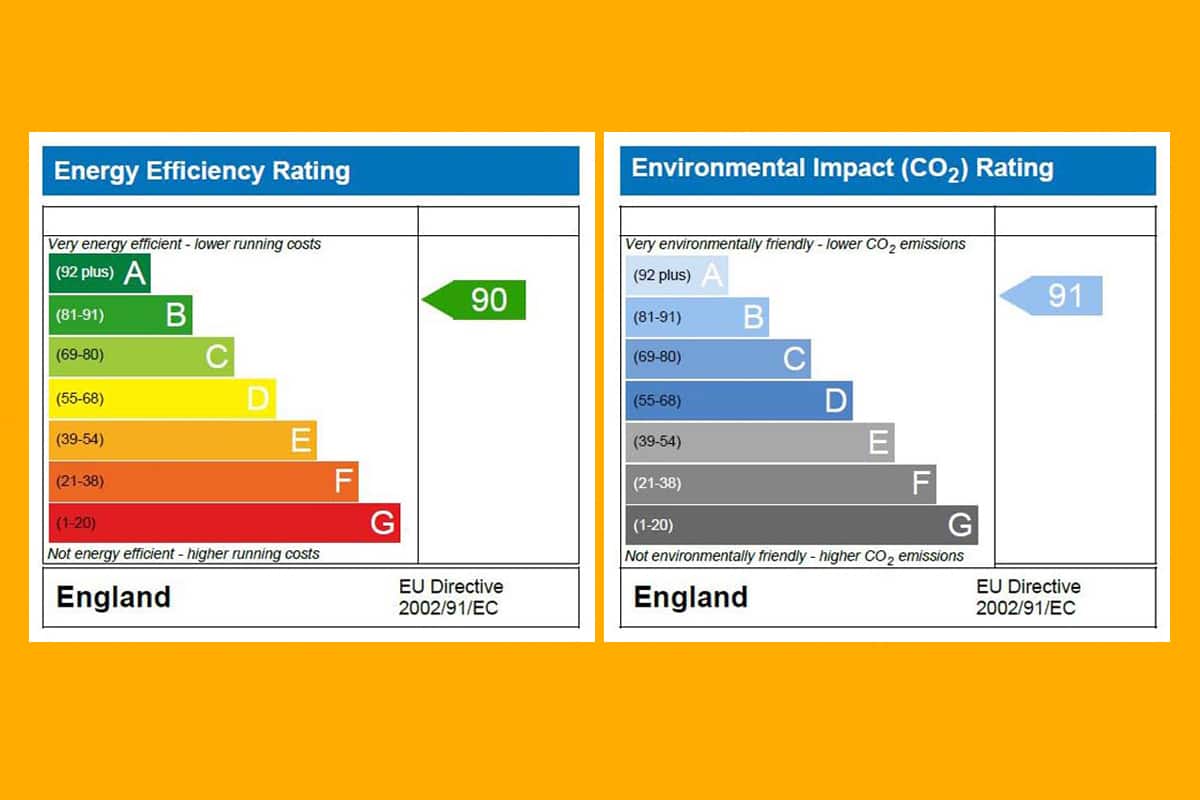
Energy Performance Certificates

Commercial building owners should know that at the moment (subject to exceptions) a landlord must not let a building that does not comply with the minimum required energy efficiency standard, which the regulations require at an ‘E’ rating on a valid Energy Performance Certificate (EPC). That is probably not an issue currently for most commercial buildings as this a low threshold.

However, the Government has recently set a target of lifting the minimum energy efficiency standard in relation to let non-domestic buildings to ‘B’ by 2030.

This could have significant implications for commercial building owners, especially if they have a large portfolio. They may wish to look and plan for how this may be achieved to avoid higher costs and potential implications of not achieving the standard.

This is likely a sign of things to come, with the requirement to improve the energy performance of all existing buildings likely on the cards at some point. Existing buildings vastly outnumber newly built buildings.

If you’d like to discuss your buildings and what steps you could take to improve their energy performance do get in touch for a no-obligation chat.

SuDS

Originally buildings were never drained, rainwater landed on roofs and fell to the ground (if you were lucky and your roof didn’t leak!). This has obvious problems, so following the introduction of sewers in the 1800’s we began piping rainwater away. The trouble with the many places is there aren’t separate foul and rainwater systems, the pipes were designed for waste water, so rainwater can often end up in sewerage treatment systems which can then be overwhelmed during rainfall and storms. So is there a better way?

We’re not experts in drainage, but we have seen a pipe or two. Engineers can design systems to slow the water as it leaves the site into drainage systems, but this can be very expensive as it involves underground storage which can be very large!

We’ve known and worked with DSA Environment & Design for many years. They are a landscape and urban design practice (https://dsa-ed.co.uk/) based in Nottingham. With them we have looked at a better way to drain sites, a more sustainable way referred to as SuDS. This is used for many new housing developments, but can bring a dual use for schools!

Sustainable drainage systems (SuDS) are drainage solutions that provide an alternative to the direct channeling of surface water through networks of pipes and sewers to nearby watercourses.

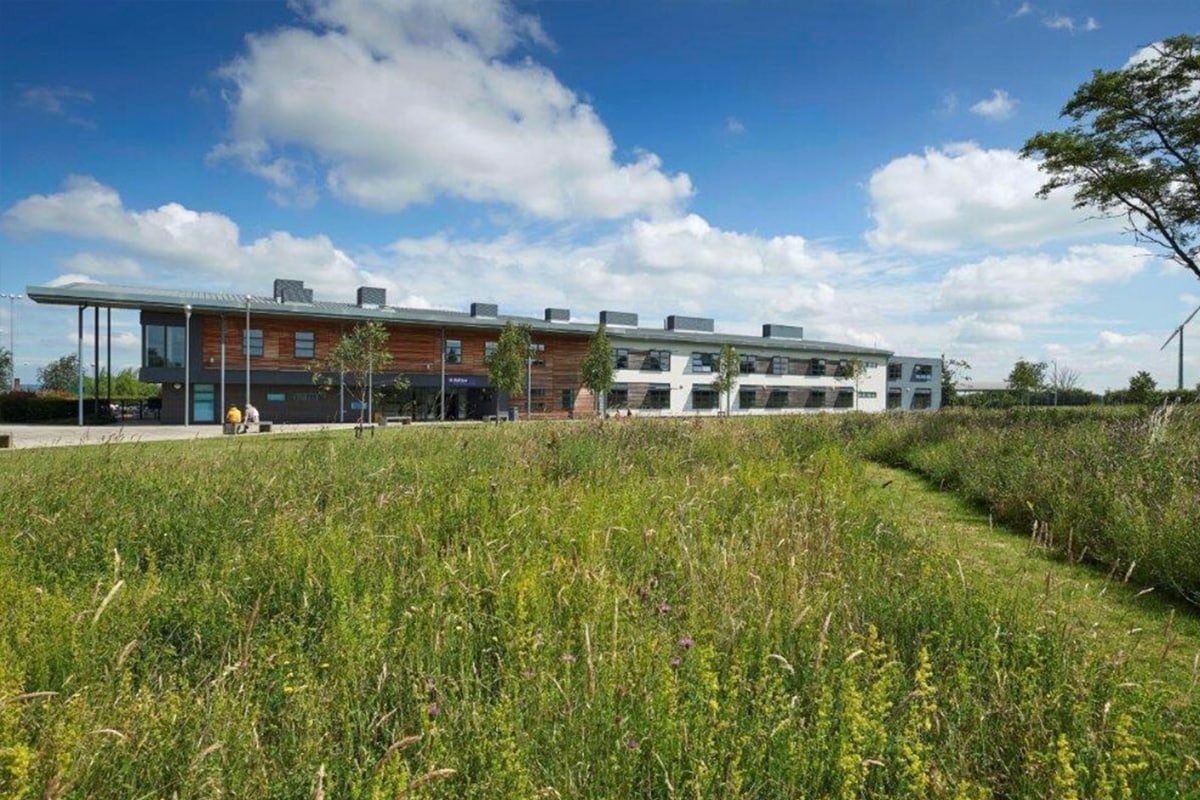
SuDS can mean the use of open channels, depressions in the ground where rainwater from buildings and hard surfaces is channeled and slowly soaks into the ground. These swales as they are called can be mostly dry or have water in them all year round. There are many benefits and we can’t go into great depth here, but we thought you may like the video linked below which explains how this works at a school site. By the use of SuDS not only can you have a sustainable drainage system, but it can provide a rich learning environment.


Do give us a call if you’d like to know more.