Oxford City Sponsorship

We have been sponsors of the Oxford City girls under 13’s football team this season, with our logo proudly displayed on their training tops. One of the Thinking Buildings family trains and plays for the team, who compete in the Oxford Youth Girls Football League.

Often dubbed “the beautiful game,” football has historically been dominated by men. However, over the past few decades, women’s football — and specifically girls’ football — has made tremendous strides, breaking down barriers and reshaping the way the sport is perceived. From grassroots initiatives to professional leagues, young girls are now encouraged and empowered to step onto the field, challenging stereotypes and setting new records.

We are pleased to sponsor a great club at a fantastic time to be involved in girls football as it continues to go from strength and strength.

Cotswold Kitchen Garden

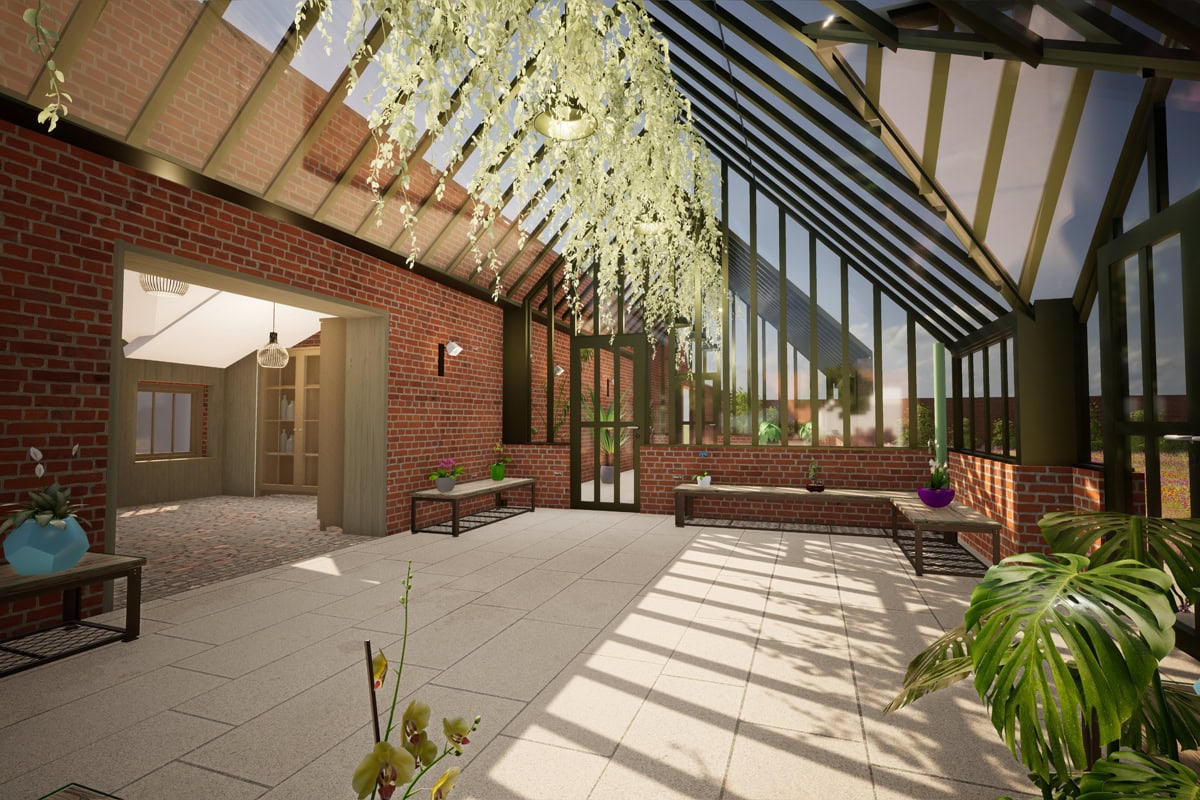
This is an usual scheme for a private client in the Cotswolds. The client was lucky enough to have a Victorian walled garden on their land, and this scheme was developed to make the most of that asset.

On the inner side of the walled garden, an extensive greenhouse was planned, to support the food production in the external parts of the garden, but also to be used as an occasional dining space. On the other side of the wall, the existing lean-to shed was to be converted to support both the fruit and vegetables grown in the garden and in dining use, including a kitchen and lobby, with storage units for preserves, pickles, and ferments produced there.

We love how the resulting scheme is a beautiful balance of indoor and outdoor living, which really made the most of the existing landscape and gardens.

Mixed Use Development Case Study

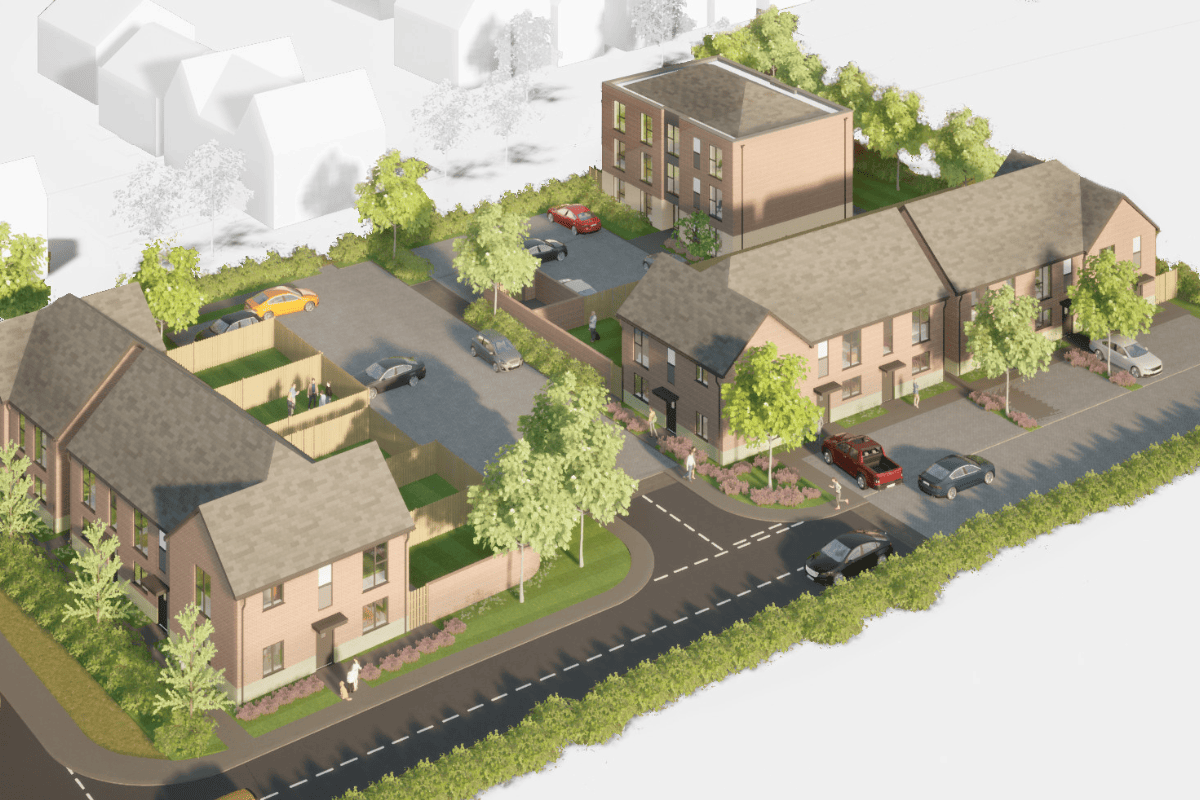
This mixed used redevelopment for an existing commercial site is currently submitted for planning consent. While we wait for a (hopefully positive) determination we’ve added a more in depth look at this exciting scheme to our website, so that you can learn a bit more about it’s development and principals.

The project has been developed with collaboration with Savills, and Cole Easdon for civils and highways.

Planning Applications In Areas With Housing Shortfalls

Thinking Buildings have recently been commissioned to assist with developing a planning application for a residential site which is outside, but on the edge of, a village settlement boundary. Ordinarily, this would be sufficient to deter most from submitting an application, but with increasing pressure to build more houses, the balance is tilting in favour of development.

For developers, landowners, and self-builders, submitting a planning application in an area where the local authority is failing to meet its housing targets can present a unique opportunity. The UK’s planning system places a statutory duty on councils to demonstrate a five-year housing land supply. If they cannot, national planning policy tilts the balance in favour of sustainable development, significantly increasing the chances of gaining planning permission.

The National Planning Policy Framework (NPPF) states that if a local authority cannot demonstrate a five-year supply of deliverable housing land, the “presumption in favour of sustainable development” applies. This means that planning applications for new housing should generally be approved unless the adverse impacts of the proposal significantly and demonstrably outweigh the benefits.

This policy shift is crucial because it weakens a council’s ability to reject applications based on restrictive local policies alone. Instead, decision-makers must assess proposals against the broader objectives of national planning policy, which prioritises boosting housing supply.

In areas with a housing shortfall, councils may be forced to consider development on sites not previously earmarked in their Local Plan. This provides opportunities for landowners and developers to bring forward well-designed, sustainable proposals in locations that might have previously faced resistance.

This is particularly relevant for edge-of-settlement sites, brownfield land, and infill plots, which may become more viable when councils struggle to meet targets. Additionally, rural exception sites – small developments on the edges of villages – may stand a better chance of approval if they contribute to addressing the housing shortfall.

When a local authority is under pressure to boost housing supply, planners may be more inclined to work proactively with applicants to approve sustainable developments. Councils want to avoid costly and time-consuming appeals, particularly if they are likely to lose due to a lack of housing supply.

If an application is refused, the absence of a five-year housing supply can significantly strengthen an applicant’s case at appeal. Planning inspectors will consider whether the council has a demonstrable housing shortfall, and if so, the presumption in favour of sustainable development will weigh heavily in the applicant’s favour. Many appeals in such circumstances result in approvals, further encouraging developers to submit applications.

While the policy creates opportunities for developers, it also benefits local communities by helping to address housing shortages, improve affordability, and support economic growth. Thoughtfully designed schemes that incorporate sustainability measures, good design principles, and appropriate infrastructure contributions are more likely to gain support from both planners and local stakeholders.

Submitting a planning application in an area where the local authority is failing to meet its housing targets can be a strategic move. With the presumption in favour of sustainable development, greater flexibility in site selection, and increased chances of appeal success, developers and landowners can take advantage of a planning system that actively seeks to address the UK’s housing crisis.

Do reach out if you’d like to know more or have a potential site. We offer free initial assessments, you can arrange to talk to us here.


Steel Frame Complete at School Site

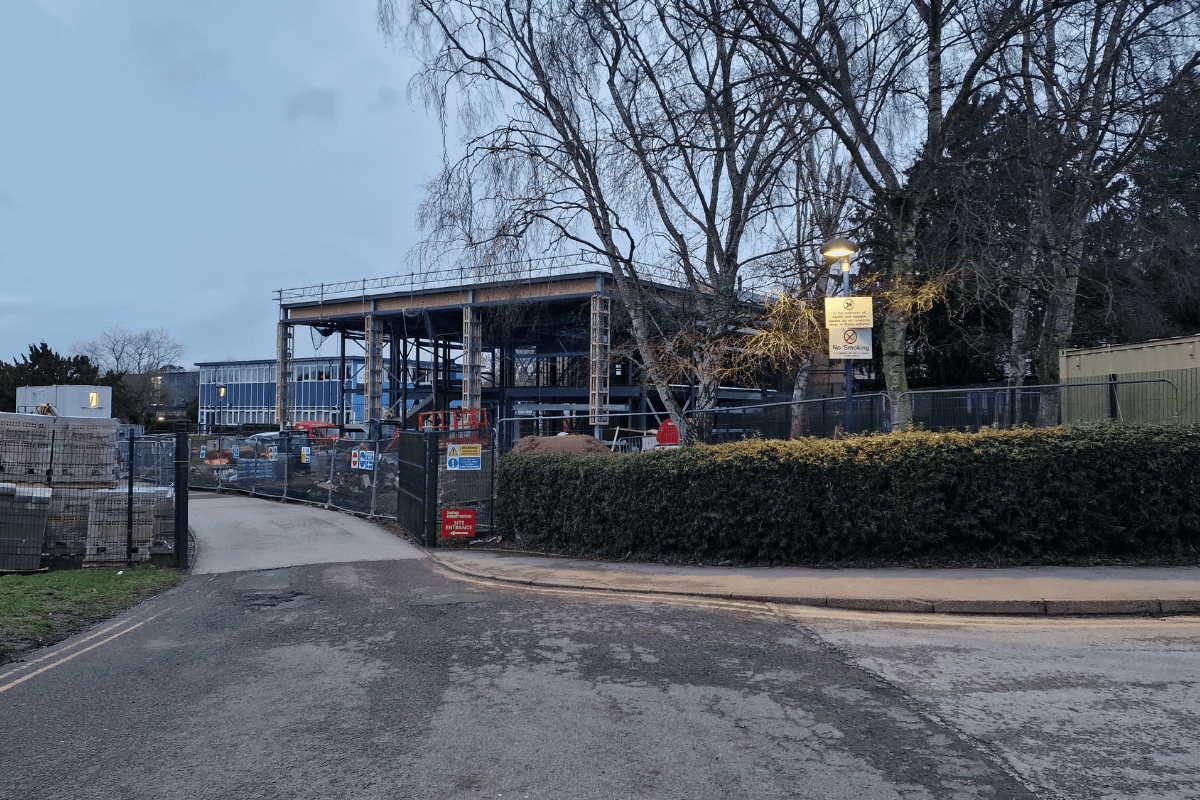
Works at John Port Spencer Academy in Derbyshire are progressing well with Bailey Construction.

The steel frame is complete, with the focus now turning to the ground floor, brickwork, and the roof.

Planning requirements stipulated the site was to be under the watch of a professional archaeologist. With relief, there was no archaeology of any note found and the site is now progressing without any further watching brief.

We look forward to seeing the first floor being installed and the brickwork rising over the next few weeks/month.

More updates to come as work progresses.

Town Centre Development

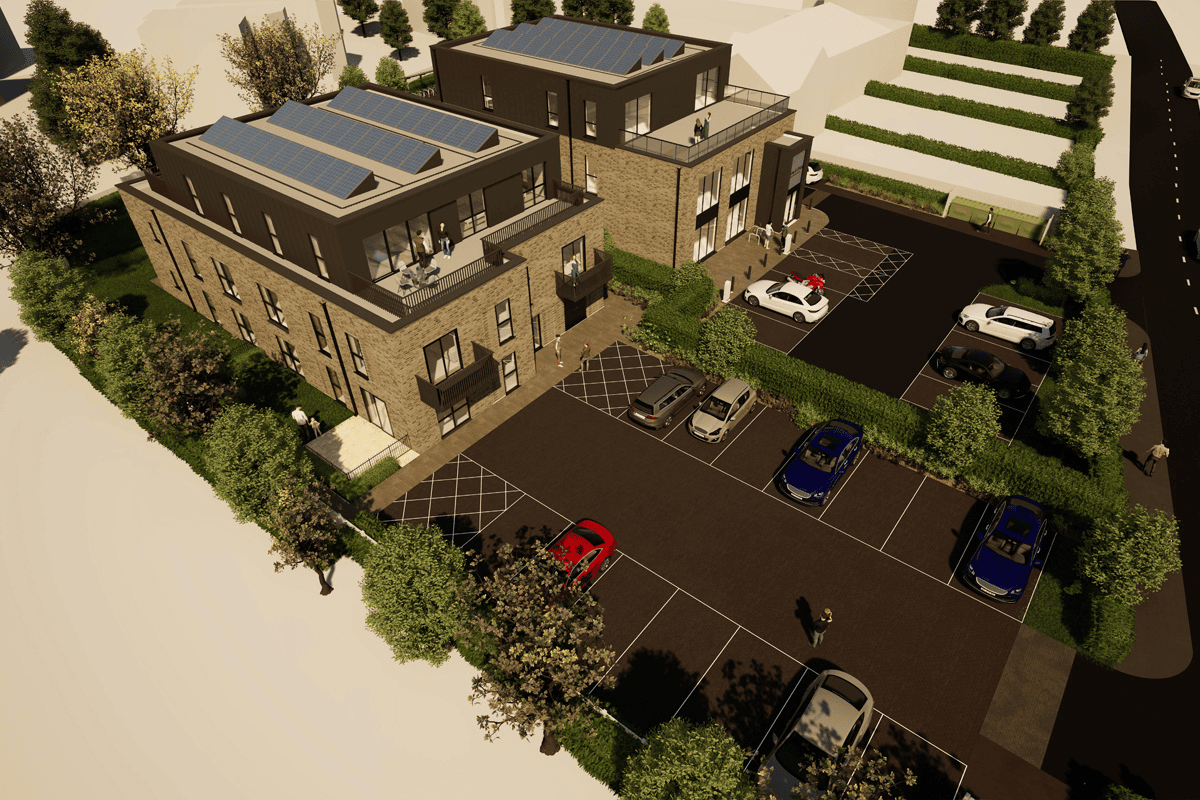
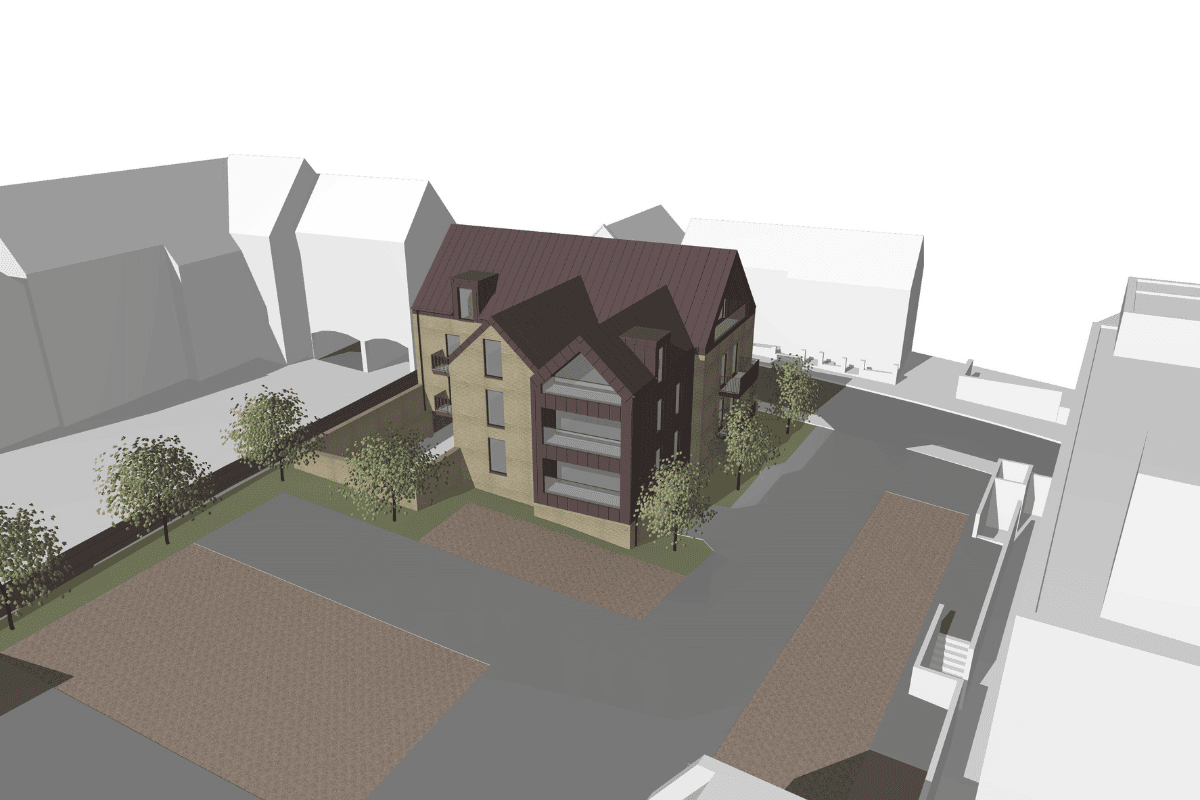
This week we share a nice design concept emerging for a new town centre development that involves master-planning an existing commercial site. The scheme is being developed with Alcema and includes 8 new apartments with undercroft parking on a sloping site. 

The scheme uses the site’s sloping levels to accommodate the semi basement car park, with the architecture defined by the use of pitched roofs and traditional brick tones that are evident in the surrounding conservation area. The design twist and architectural contrast is provided by the bronze coloured standing seam roof and wall cladding, sharp roof dormers, and contained balconies. 

This project is a continuation of our increased workload in designing town centre mixed use development. 

Luxury Car Sales Scheme Out For Tender

We’re delighted to confirm the next stage of this scheme. This car sales site has been granted full planning approval, with the pre-commencement planning conditions now approved.

The client is now seeking prices for the work, with the hope construction will start later this year.

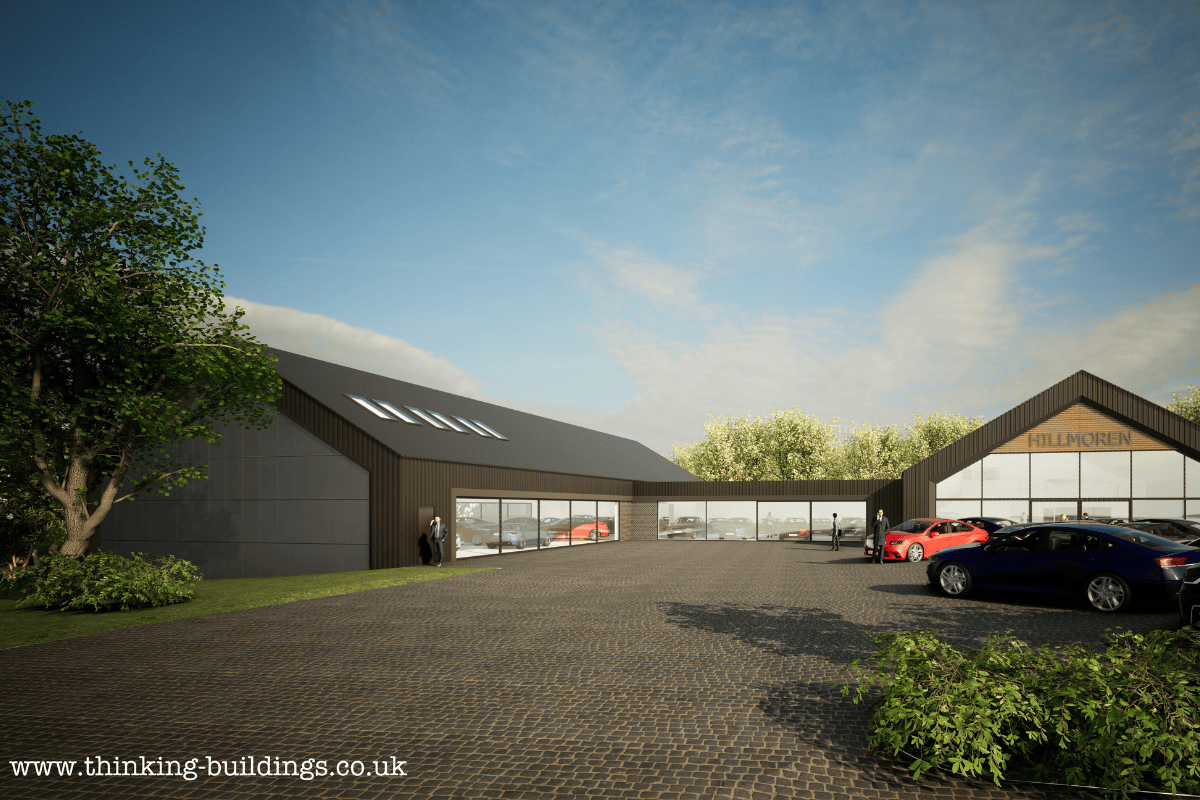
The scheme is for the construction of a purpose designed site for luxury car sales in Leicestershire. Our client, Hillmoren, currently operates from a small site approximately 1 mile from the application site.

The new buildings have been designed with barn-inspired architecture using natural materials for the main body of the buildings.

The site is very much focused on sustainability, with the 2 buildings having large areas of solar photo voltaic (PV) panels. The site will house many electric vehicles, with the PV being used to keep them charged whilst on site. On site rainwater harvesting will also be used to gather water for use in car cleaning prior to sale.

Hillmoren are not a typical car sales company. They specialise in high value luxury cars and have developed a niche for sales of electric vehicles, in particular Tesla. They are not a main dealer or franchise, but a private company. Sales are primarily through their specialist website, with many sales being completed online. Visitors to the site are limited and for the new site will be by appointment only.