Heyford Park Project Celebration

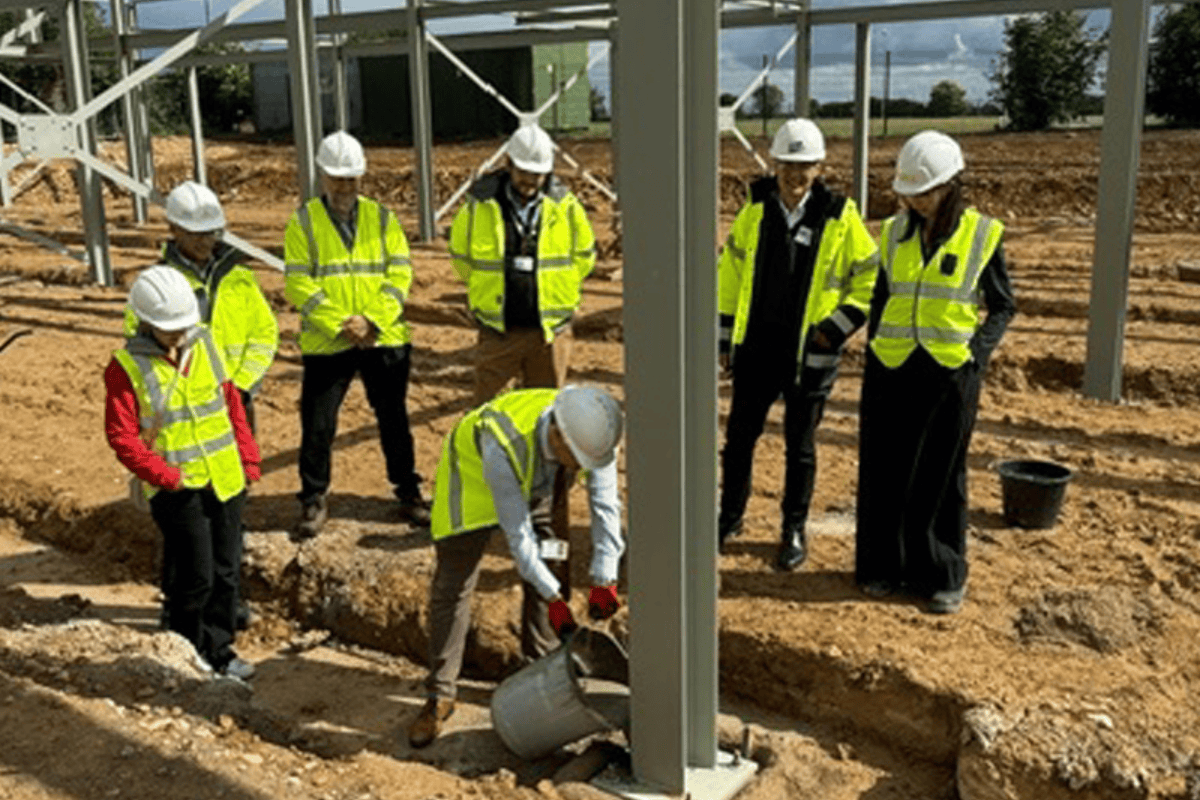
Earlier this month, the construction team, the school leadership, and representatives from Oxford County Council gathered with parents and pupils of the school to celebrate the start of the Heyford Park School Expansion project.

The project actually started at the end of March this year, but it was decided to delay the ceremony in order the ensure we got some better weather. Thus it was decided to organise our event around the completion of the main part of the steel frame. The British weather of course had other ideas, with heavy intermittent rain showers on the day of the event, so the planned BBQ on the school field was relocated to the sports hall with tea and cake.

After some kind words from Head of School Andrew Binnington we got a small break in the weather to gather outside for a photo, and for Andrew to pour grouting around one of the column bases. Afterwards we got the benefit of a special performance from the secondary school’s cast of Oliver and primary pupils choir. Impressive talents exhibited all around (including Andrew’s bright future in groundworks should he wish for a career change!).

We look forward to bringing you further updates as the expansion progresses.

Planning Granted For Essential School Works

Not every project is glamorous, but that does not mean it is not important. We have recently received planning permission for a new school car park for the Affinity Learning Partnership. On paper, that might not sound especially newsworthy. But for a busy school, it can make a huge difference.

Car parking is often overlooked when schools are expanded or extended. Sometimes, even with the best intentions, the number of spaces provided simply does not reflect how a school actually operates day to day.

In this case, the existing site has 84 parking spaces. The school currently needs 110 spaces for permanent teaching staff, plus a further 6 spaces each day for catering staff. During exam periods, which run for around 9 to 10 weeks each year, a further 12 spaces are needed for exam invigilators, with that number likely to increase in the future. On a daily basis, this currently results in double and sometimes even triple parking.

These are not theoretical figures. They reflect the school’s real operational demand.

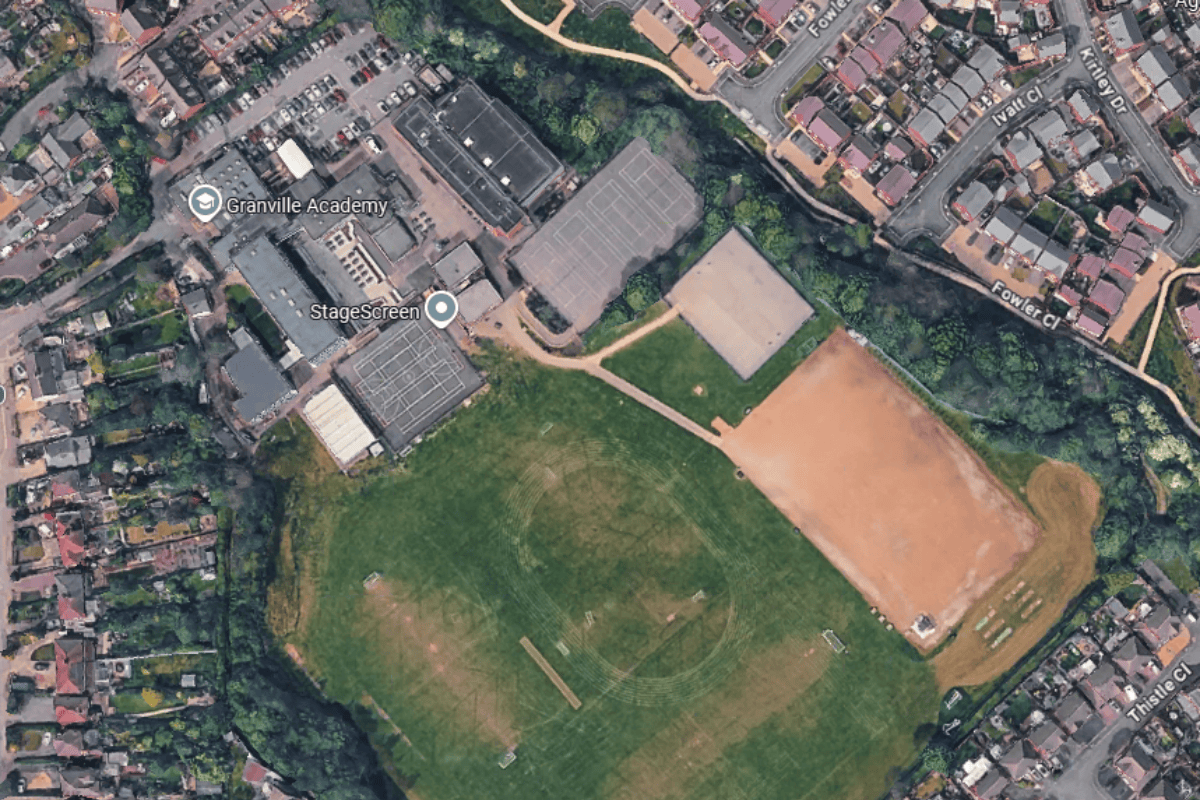
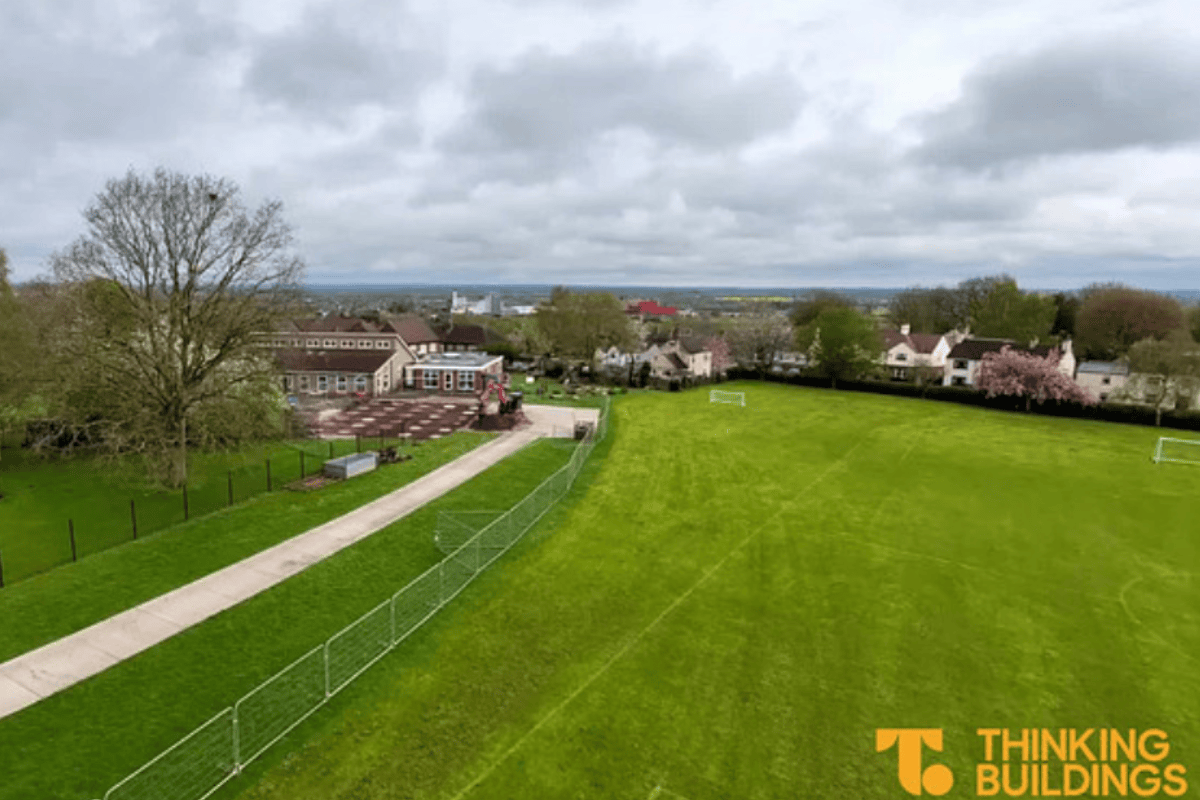
The existing car park is constrained by surrounding buildings, so expansion in its current location is not possible. The approved proposal will provide a further 18 spaces south of the main school buildings.

While the additional spaces will not fully meet the total demand needed, the proposal represents a carefully considered balance between supporting the operational needs of the school and limiting encroachment onto the playing fields.

The application itself was also far from straightforward. As the proposal involved development on an area of playing field, consultation with Sport England was required. We also needed to carefully consider protected species, including badgers, alongside Biodiversity Net Gain requirements, which now form an almost constant part of planning applications.

Sometimes, success is not about the most eye catching project. It is about solving practical problems that help schools function better every single day.

A New Budget Hotel For The Cotwolds

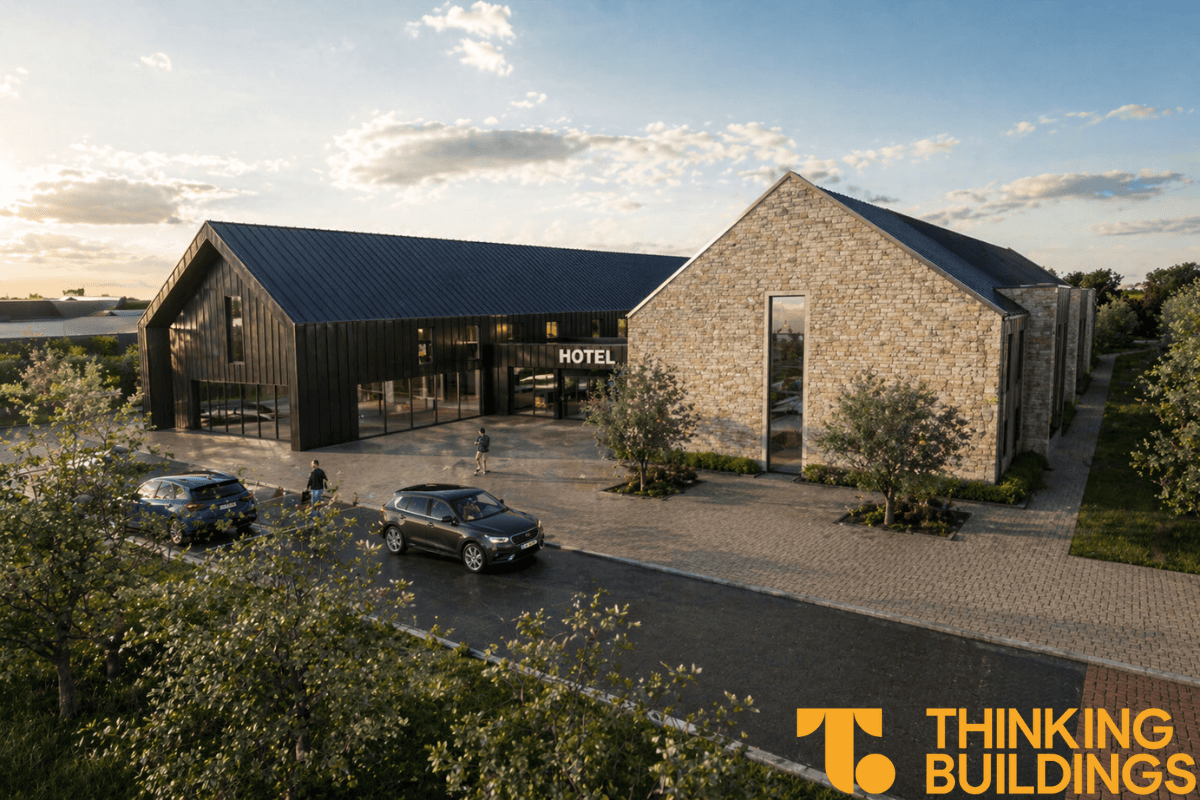
Thinking Buildings have been working with Edgars planning consultants, amongst others, to produce a scheme for a new budget hotel for Wavendon Land. The scheme is in a sensitive landscape location and has recently been submitted to planning.

The site is located to the south of the market town of Moreton-in-Marsh on the edge of the Cotswold National Landscape, which gives both a natural draw for potential visitors and also offers some interesting challenges for our design team to provide an appealing and sensitive response to the surrounding context. As a result Wavendon gathered an extensive team of experts to present the most robust scheme possible to the council planning team, including ND Landscape Architects for both landscape design and landscape impact assessment, Swift Ecology for ecology assessment and biodiversity net gain, Cole Easdon for flooding, drainage and transport, and Ingleton Wood for energy and sustainability. 

The hotel includes 88 bedrooms and a restaurant, spread over two linear pitched roof buildings drawing on the form of agricultural barns, with two link buildings that together enclose an attractive courtyard for guests. A limited palette of materials: stone, metal, and timber cladding, have been used to provide a high quality and modern aesthetic within the rural setting. The carefully designed landscaping helps to integrate the building into the wider countryside and minimise any impact on the National Landscape Area.

As a major development this scheme is subject to a longer determination period, but we hope to be able to share a positive outcome for the client later in the summer.

New Modular School Building

A new modular school building has moved successfully from early design through to planning consent and procurement, showing how a clear and collaborative approach can really smooth the process.

From the outset, the focus was on a simple, well resolved design that responds to its surroundings while meeting the day to day needs of a modern learning environment. Bringing the client, design team and modular supplier together early meant key decisions were made at the right time, helping to avoid unnecessary changes later on.

On the procurement side, choosing a modular route has helped provide early clarity on both cost and programme. By working closely with the manufacturer from the beginning, the design has been shaped around how the building will actually be made. This reduces risk and avoids some of the uncertainty sometimes associated with more traditional construction methods.

Modular construction also brings clear benefits in terms of speed and responsibility. While the site is being prepared, the building is already being manufactured off site, which shortens the overall programme and reduces disruption for the school.

There are environmental benefits too. Factory based construction allows for good quality control and less material waste, while fewer deliveries and a shorter time on site help to minimise the impact on the surrounding area.

That said, modular is not always the default answer. It is important that it is carefully considered alongside traditional construction, particularly in terms of overall cost, long term performance and longevity. The right solution will always depend on the specific needs and constraints of the project.

Overall, this scheme is a good example of how a considered and collaborative approach, combined with the appropriate use of modular construction, can deliver school buildings in a fast and responsible way.

Managing The Cost Of Your Project

For many people starting a building project, the planning stage is when the idea begins to feel real. The drawings start to resemble a building rather than a concept, the layout makes sense, and it becomes easier to imagine how the finished space will be used.

At this point, if it hasn’t already, one question usually becomes the most important: how much will it actually cost to build?

The answer is rarely as simple as people hope. This is where a construction cost plan becomes extremely valuable.

What a Construction Cost Plan Is

A construction cost plan is a structured estimate of the likely cost of delivering a building project, based on the design information available at that stage.

Rather than producing a single overall figure, the project is broken down into the individual elements that make up the building. These typically include:

  • Foundations and groundworks
  • Structural frame and walls
  • Roof construction
  • Windows and external doors
  • Internal partitions and finishes
  • Building services such as heating, ventilation, plumbing and electrics
  • Fitted elements such as kitchens, equipment or specialist installations
  • External works such as drainage, parking areas, landscaping or site infrastructure

Each element is assessed separately using current construction cost information and professional experience.

This approach provides a much clearer picture of where the money is likely to be spent and which parts of the project are driving the overall cost.

Why the Planning Stage Is the Right Time

The planning application stage sits at an important point in the life of a project.

By this stage the overall size of the building is usually established, the layout of spaces is clear, and the general appearance and materials have largely been defined. At the same time, the design is still flexible enough for sensible adjustments if required.

This balance is important. If costs are reviewed too early, the design may not be developed enough to estimate accurately. If they are reviewed too late, the design may be too fixed to adjust easily.

Reviewing costs during the planning stage helps answer three key questions:

  • Is the project affordable?
  • Which parts of the building contribute most to the cost?
  • Are there opportunities to adjust the design without undermining the core concept?

Without this step, projects can move forward without a clear understanding of whether the design and budget align.

Why Costs Can Be Difficult to Judge

People who are unfamiliar with construction often assume that estimating a building cost should be relatively straightforward. In reality, many factors influence the cost of construction work.

For example:

  • The structural system used
  • The complexity of the design
  • The quality of materials and finishes
  • Ground conditions and foundation requirements
  • Building regulations and energy performance standards
  • Access to the site for construction equipment and deliveries

Even the shape of a building can influence cost. A simple, compact structure is generally more economical to build than a design with multiple wings, complex roof forms or significant changes in level.

These factors are not always obvious when looking at drawings, which is why cost planning involves more than simply measuring the floor area and applying a typical price per square metre.

The Temptation to Ask a Builder for a Quick Price

A common step during the planning stage is to show the drawings to a contractor and ask for a rough estimate. There is nothing wrong with this. Contractors often have valuable experience and can provide useful guidance based on recent projects.

However, there are limits to what can realistically be estimated from planning drawings alone.

Planning drawings are produced primarily to explain the design and obtain permission to build. They usually do not contain the level of technical detail that contractors rely on when preparing accurate prices.

Important information may still be missing.

As a result, a contractor providing a rough estimate at this stage is usually making reasonable assumptions rather than pricing from complete information. Different contractors may make different assumptions, which can lead to estimates that vary considerably.

When Early Contractor Input Is Helpful

Speaking to contractors early in a project can still be very valuable.

For example:

  • When exploring whether a project is broadly realistic
  • When discussing practical construction methods
  • When identifying buildability challenges

Contractors are often very good at recognising practical issues that may not be obvious from drawings.

These discussions can provide useful guidance, but they should usually be treated as informed opinion rather than a detailed financial forecast.

When Professional Cost Advice Becomes Important

There are situations where relying only on general advice becomes risky.

One example is when the available budget is fixed. If a project is being funded through savings, loans, development finance or public funding, it is important to understand early whether the design fits within that limit.

Professional cost advice is also particularly useful when a design includes unusual or technically demanding features, such as large areas of glazing, basement construction, specialist equipment, or complex structural forms.

Cost planning is also valuable when comparing alternative design approaches, helping clients understand how different choices affect the overall budget.

Understanding Where the Money Goes

One of the most useful aspects of a cost plan is that it explains how the overall construction cost is made up.

Instead of seeing the project as a single large figure, clients can understand how different elements contribute to the total.

This information allows decisions to be made with confidence. In many cases, relatively small adjustments to the design can reduce costs without compromising the overall intention of the project.

Avoiding Difficult Surprises Later

One of the most common problems in construction projects occurs when contractors submit formal tenders later in the process and the prices turn out to be significantly higher than expected.

By that stage the design may already have been developed in considerable detail, with substantial time and cost invested in the project. Making major changes at that point can be frustrating and expensive.

A cost plan prepared at the planning stage cannot remove all uncertainty, but it can significantly reduce the risk of these surprises.

It provides a realistic financial framework that helps guide the project as the design continues to develop.

Advice Versus Opinion

Building projects often attract a great deal of informal advice.

Friends who have completed projects of their own, tradespeople sharing experiences, and online calculators suggesting typical costs.

These perspectives can be useful, but they are usually based on individual experiences rather than a detailed analysis of a specific project.

Professional cost planning takes a more structured approach. It uses information from recent projects, current labour and material costs, and a detailed understanding of how different parts of a building contribute to the overall construction cost.

The aim is not to produce a perfect prediction, but a reliable and informed estimate.

Importantly, cost planning is not about reducing ambition or cutting quality. In many cases it achieves the opposite. When the financial picture is clear early in the process, design decisions become deliberate rather than reactive. Clients can decide where to invest their budget and where a simpler solution might be appropriate.

This often leads to stronger projects, because the design and the budget are working together rather than against each other.

A Simple Principle

The planning stage is where the design of a building begins to settle into its final form. Taking the time to understand construction costs at this point is one of the most practical steps a client can take.

A successful project is not only well designed, it is also financially realistic from the beginning.

Photo by stevepb on Pixnio

Creative Building Upgrade

It is always rewarding to see a project that has been in the making for a number of years come together on site. This one began back in 2019, which is not unusual, particularly for projects in sensitive settings where care and time are essential.

The latest image shows just how close we are to completion, with the transformation now clearly visible.

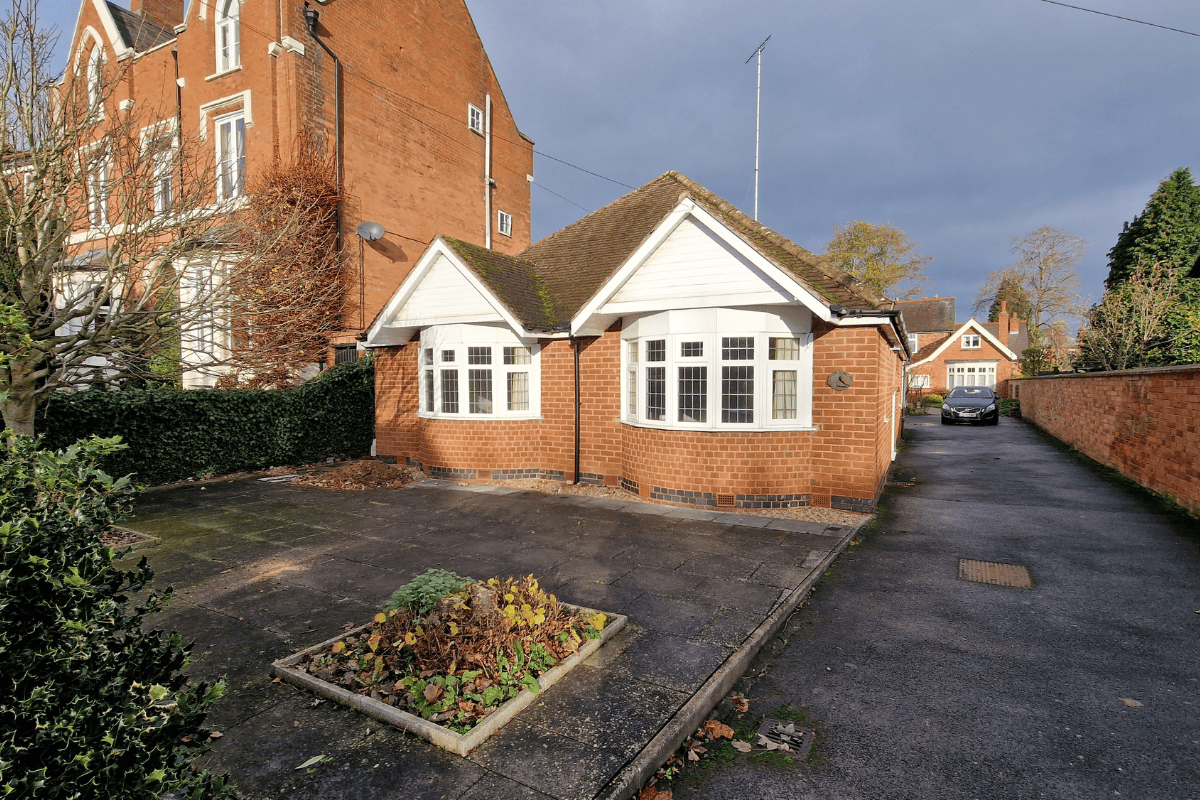
The scheme takes an existing bungalow in a conservation area and turns it into a modern two storey home. Instead of demolishing the building, it was stripped back to its shell and used as the base for a new timber frame structure built over the top.

Alongside the visual transformation, the performance of the house has been completely upgraded. The entire building has been heavily insulated to create a highly efficient and comfortable home.

This is a strong example of how existing buildings can be reworked in a thoughtful way to create something entirely new, while making the most of what is already there.

We will be sharing the completed project soon!

Improvements at Granville Academy for Affinity Learning Partnership

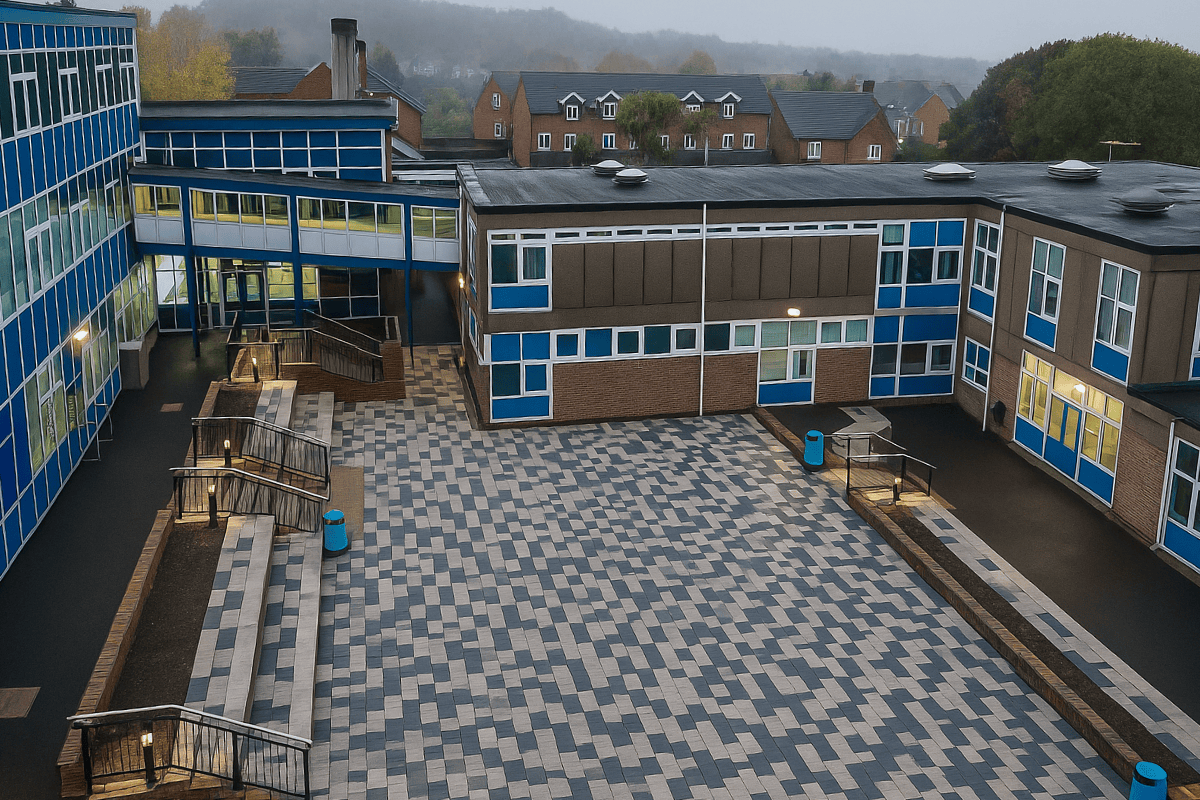
Thinking Buildings continues to enjoy a strong working relationship with the Affinity Learning Partnership, formerly The de Ferrers Trust, supporting them with improvements across their schools. At Granville Academy in Woodville, Swadlincote, we are pleased to confirm that the playground, toilets and office projects have now reached the end of their defects period.

Working alongside Davlyn Construction, SA Consulting and Approved Inspectors Building Control, the project has delivered a significant transformation to the academy’s main external social space. Achieved through very simple and cost-effective design solutions, the works included new ramps, steps and resurfacing. These improvements not only make student movement across the sloping site easier and more accessible, but also encourage socialising and even create potential for external teaching spaces.

Internally, the project provided new office space and refurbished toilets, both of which will help deliver a more comfortable and practical environment for staff and students. These changes reflect the Partnership’s continued commitment to investing in facilities that positively support learning and wellbeing across their schools.

This has been another positive project with Affinity Learning Partnership, and it has been great to see the benefits now being enjoyed by the school community.

New Roofs and New Relationships At Millgate School, Leicester

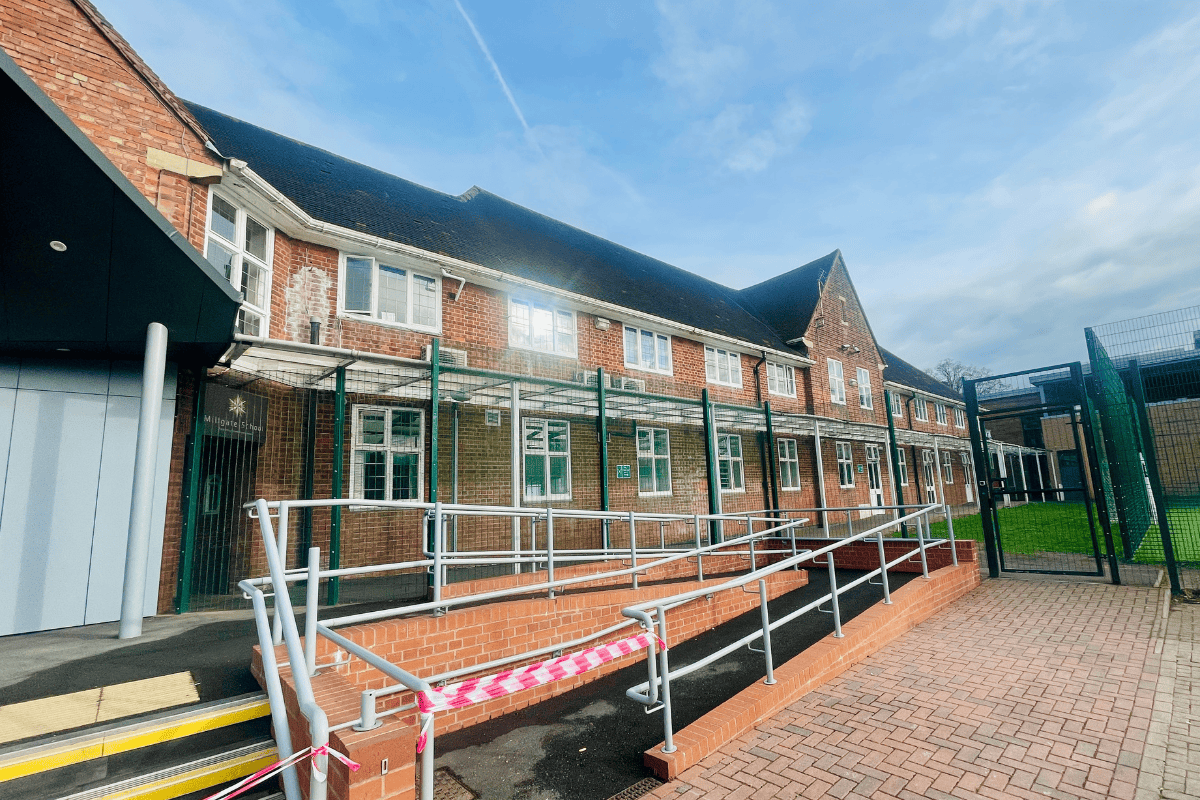
Earlier this year, Thinking Buildings were appointed to support Millgate School with a series of improvement projects. The most significant of these is a re-roofing scheme, prompted by the existing roof falling into disrepair. The works will see a full replacement with a new clay tile roof, designed with traditional detailing to respect the building’s character, alongside a new flat roof to modern standards.

We’ve been appointed to deliver architectural design, building regulations principal designer (PD) duties and Construction (Design and Management) (CDM) principal designer services. Alongside the main works, we also provided support in our CDM PD capacity for the safe removal of asbestos and the installation of new air source heat pumps, helping to future-proof the school’s energy use.

This project also marks the start of a new working relationship with Addison Hunt, who are providing project management and quantity surveying services. We’ve also been pleased to work with new clients Discovery Trust, and hope this is the first of many opportunities to support them in improving and developing their schools.

Thinking Buildings Shortlisted for Award!

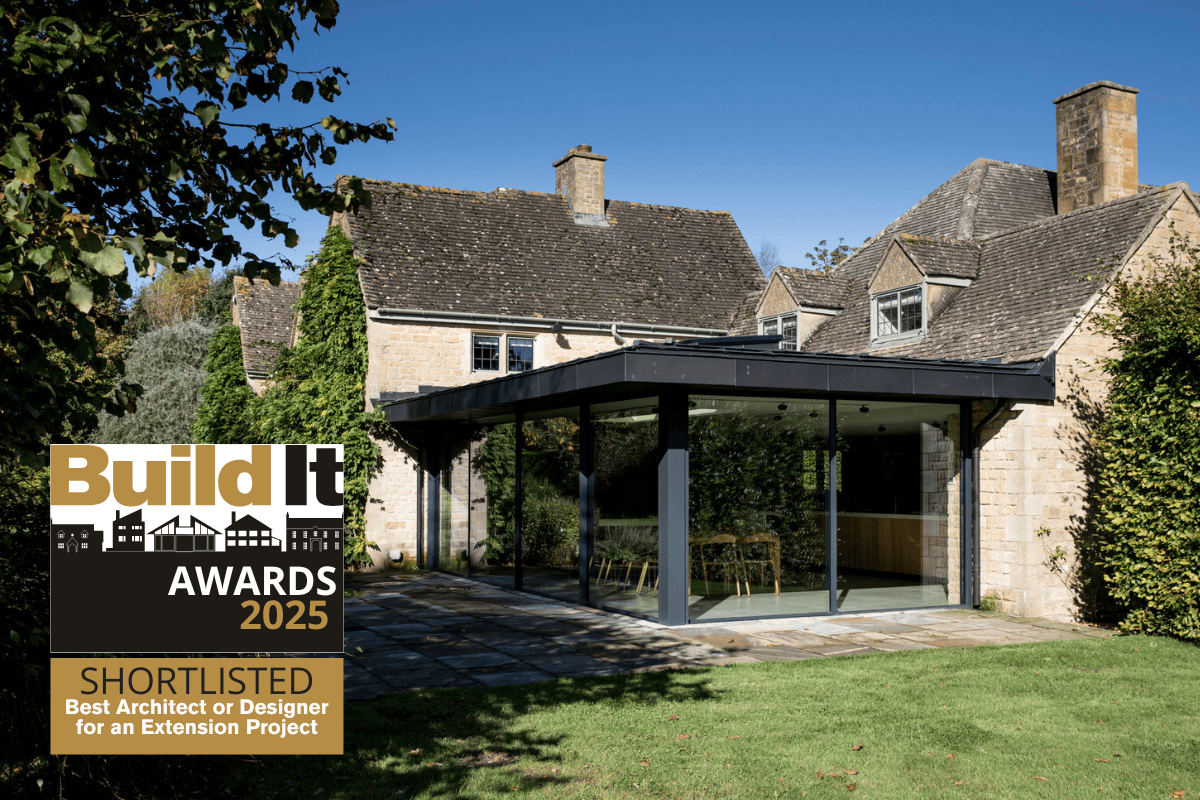
We are delighted to announce that we have been shortlisted for ‘Best Architect or Designer for an Extension Project.’

Our Associate, Bethan, was the lead designer on our Stowbridge House project set within the Cotswold National Landscape. Our client wished for an extension to the existing property that provided an open, contemporary, living space to complement the more enclosed traditional spaces. Part of the contemporary feel of the design derives from the use of zinc in the extension. It gives a wonderful sleek and modern aesthetic with minimal, to no, maintenance needs.

Our clients told us, ‘we are extremely pleased with the design and quality of the construction. We had a really good team’

We are keeping our fingers crossed that we might be able to dress up for an awards evening soon…..

Education Refurbishment Project Handed Over

As we’ve mentioned previously, August was a busy month for us. The school holidays are in full swing, so it’s the perfect window to carry out essential refurbishment works.

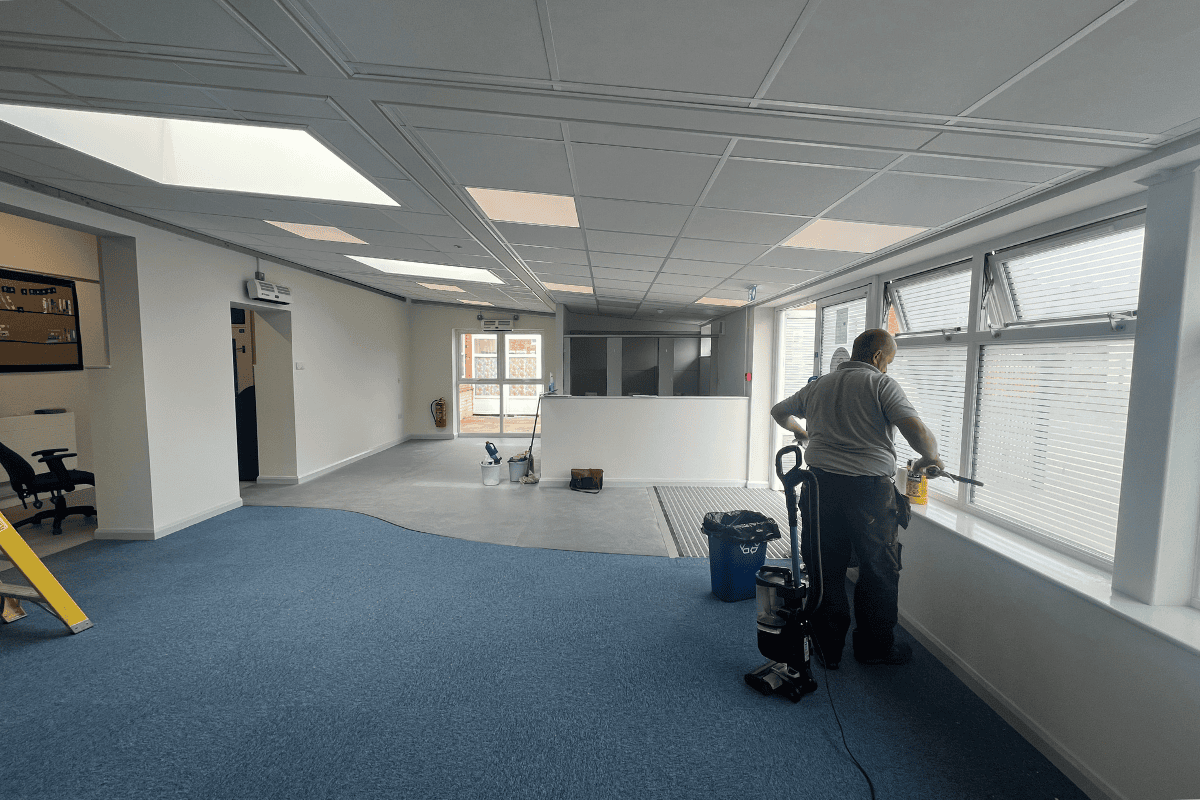
One of the projects we have overseen, ready for the pupil’s return, was an infant school refurbishment in Burton on Trent. This included a full roof replacement. While not the most glamorous type of project, these works are vital to keeping schools in good repair and ensuring they remain safe, comfortable, and efficient places to learn.

For this project, we removed an existing polycarbonate “conservatory-style” roof and replaced it with a new, fully insulated, warrantied roof. This not only guarantees the building will remain watertight for many years to come, but also helps the school lower its energy bills through improved thermal performance.

Interestingly, previous contractors had advised that the building couldn’t be repaired and would need to be demolished. Working closely with SA Consulting and Davlyn Construction Limited, we were able to deliver a practical and cost-effective solution, proving that with the right team, challenges can be overcome.