London Sixth Form Planning Submitted

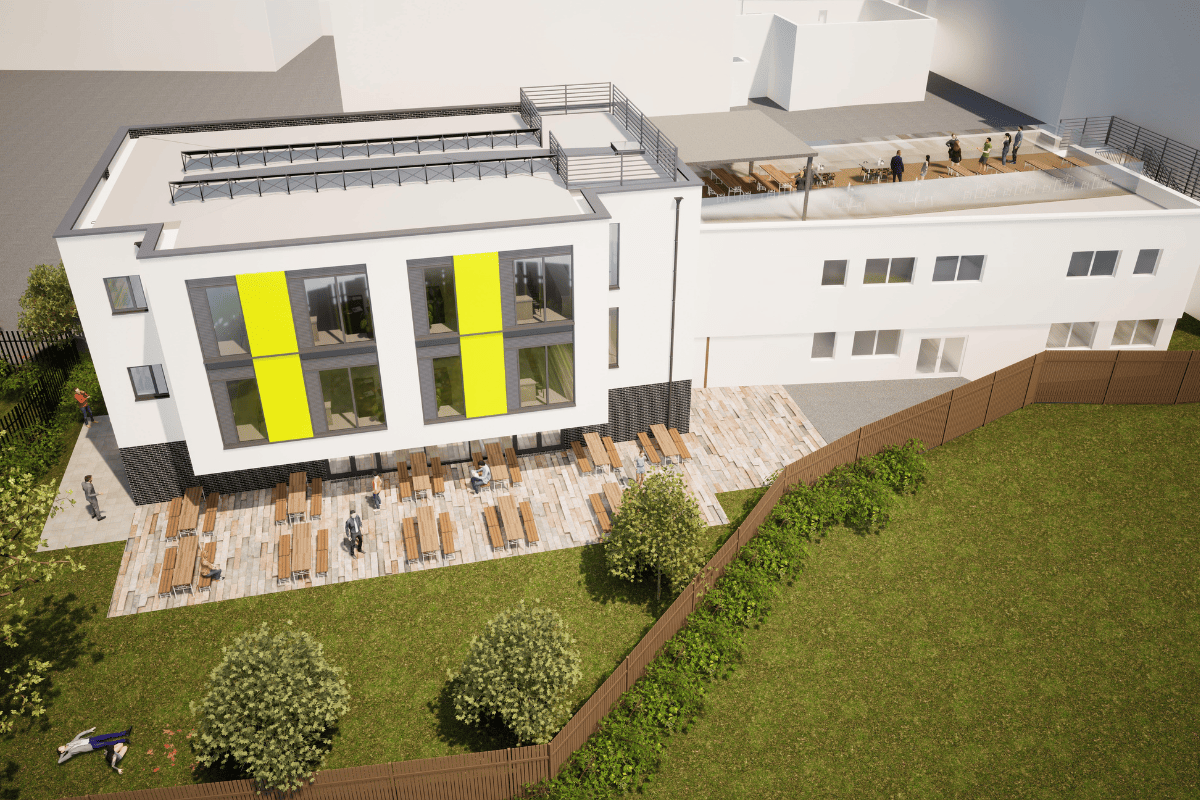
We have fantastic news that this scheme for a new sixth form building at a London secondary school has been submitted for planning. Part of the land is designated as Green Belt Metropolitan Open Land (MOL) and Thinking Buildings and Edgars have been carefully masterminding a ‘needs’ case to gain the support of the Planning Authority with 2 rounds of pre-application advice and consultation. At the 2nd pre-app the planners agreed that the benefits outweighed any harm to the MOL, and that they were supportive in principle. This is a great example of how a clear and patient strategy has achieved a positive outcome for our clients. 

Since receiving this positive feedback, there has been an incredibly quick turnaround to prepare a planning application to meet funding requirements. Thinking Buildings were supported by Miriam Owen at Edgars who really created a strong planning justification. Aman Mohammad and Henry de Lloyd of CBG Consultants Ltd did an excellent job meeting the very stringent energy and sustainability requirements of the London Plan. We also worked closely with Jackson Purdue Lever, Dean Levesley MRICS and Eleanor Gould of Make Consulting Limited, John Goodwin at Professional Consult, Benjamin East of Cole Easden, and ARBTECH for various ecology, biodiversity and tree reporting. 
Work continues at John Port Sixth Form

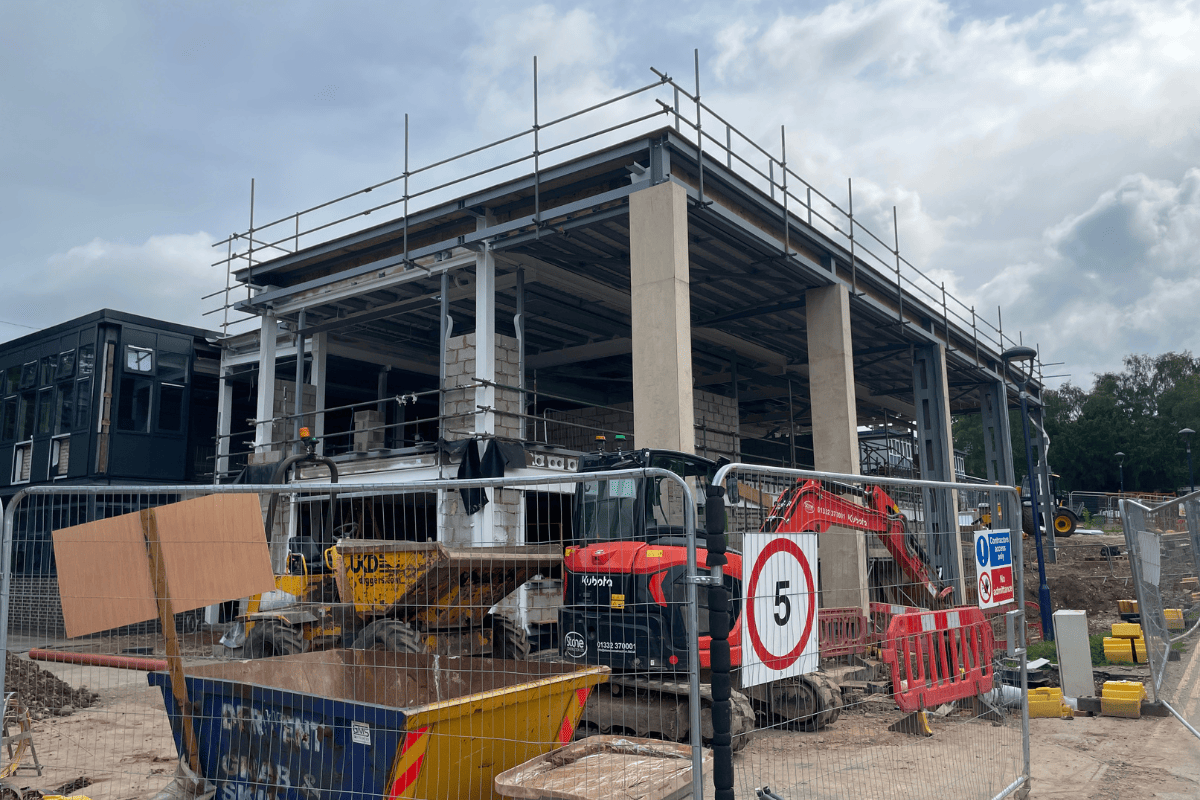
Admittedly this is not a particularly glamorous picture, but it does show work continues apace on the expansion to the sixth form building at John Port Spencer Academy in Derby.

The steel frame and roofs are now complete and work continues on the external walls, windows and internal fit out.

It’s not apparent from the photos, but the scheme includes roof-mounted Ventive passive stack ventilation units. These provide passive ventilation to the upper floor area with heat recovery. This will reduce energy use and Co2 emissions. It also provides an increase in ventilation rates and is linked to Co2 monitors to intelligently turn the units on and off as needed.

If you’d like to know more about building low-energy technologies do contact us here

The Use Of Zinc For Homes & Houses

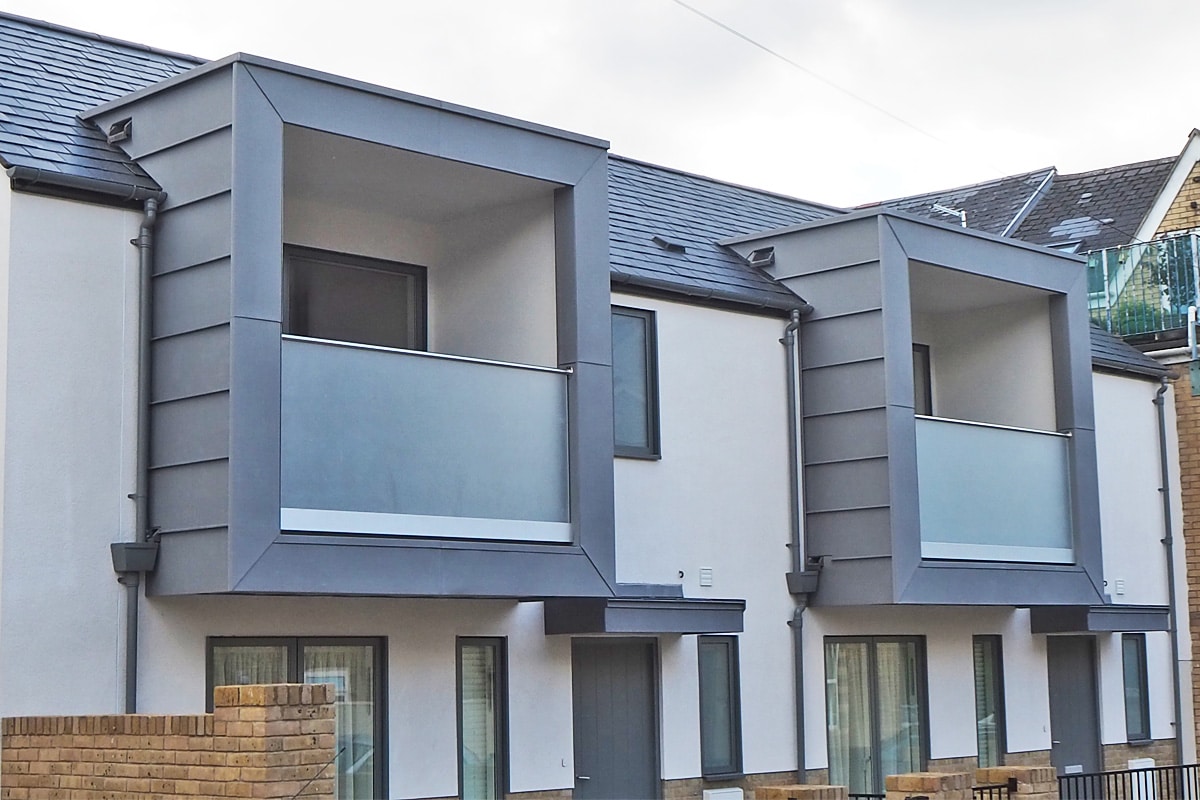
At Thinking Buildings we often use zinc elements in our residential projects. It is a versatile material suitable for various architectural styles and design applications. It can be used in contemporary, traditional, and historical building projects, looking equally appropriate and attractive in various contexts.

Zinc has a long history of use in construction. Zinc’s earliest known use is by ancient civilizations for decorative purposes, as its corrosion-resistant properties made it valuable for architectural embellishments. Later in the 17th to 19th centuries, technology allowed zinc to be used more widely. Zinc is highly resistant to corrosion, making it an excellent choice for roofing, cladding, gutters, and downspouts. It can last for several decades without significant degradation. Such was its popularity, it formed the character of cities like Paris, where it was used extensively in the late 19th century. 

Zinc’s continued popularity in contemporary architecture stems from the combined properties of a sleek, sharp appearance, while being incredibly low maintenance, long lasting, and sustainable. 

Zinc has an attractive appearance that evolves over time. Raw zinc starts with a shiny, metallic finish and gradually develops a matte grey patina, which many people find appealing. For a more consistent finish, zinc and be pre-patinated, with the addition of colour to tint the zinc into a variety of attractive shades. This evolving aesthetic can blend with the character of a historic building, or give depth to a contemporary project. 

Zinc is a very environmentally friendly material. When properly installed and maintained, zinc can have a long lifespan, often exceeding 50 years. This longevity contributes to its cost-effectiveness and minimises its environmental impact over the lifespan of the building.  It is also fully recyclable at the end of its life, and the recycling process requires significantly less energy compared to primary zinc production, further reducing its impact.

While zinc has many advantages as a building material, it is essential to consider factors like initial cost, regional climate conditions, and specific project requirements when deciding whether it’s the right choice for a particular construction project. However, for many applications, zinc is indeed a good building material due to its combination of durability, aesthetics, and sustainability.